Category Archives: Eating In

What a waste – inside the Real Junk Food Project

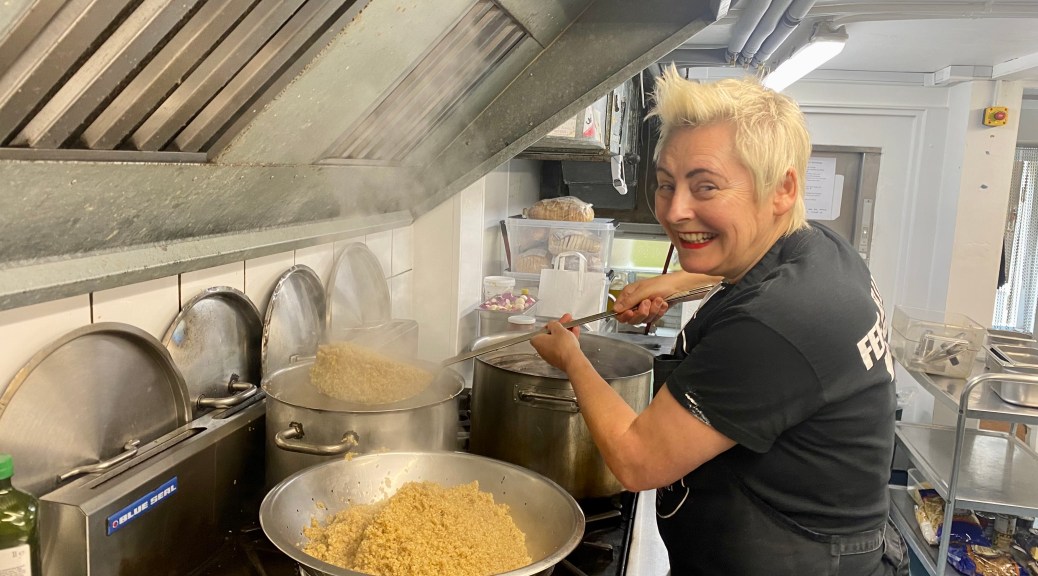
It’s 10 o’ clock on a summer Friday morning at the Gardener Café. Mick is carrying a box of red peppers down to the kitchen where vats of black beans and quinoa are bubbling. Sarah is making pastry for scones, sweet and savoury, cartons of yellow label strawberries, just on the turn, piled behind her ready for Karen Lloyd to reduce them into an accompanying jam. Elodie is chopping pretty pink radishes, and the air is fresh with camaraderie. 

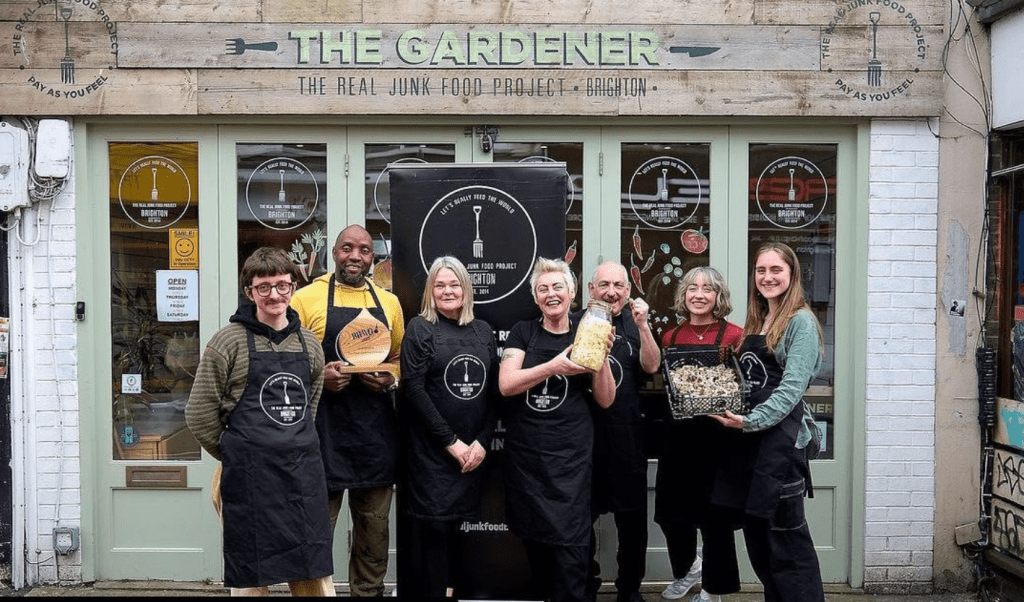
This is the Real Junk Food Project’s central Brighton kitchen, bang in Gardener Street in the middle of the North Laine’s most vibrant shopping and café area. Mick and Sarah are volunteers, Karen and Elodie just two of the few paid staff, and the red peppers, black beans, quinoa, flour and strawberries just part of a massive haul from the overnight supermarket waste run. 

The Real Junk Food Project, whose mantra is “feed bellies not bins” was created by Adam Smith in Leeds in 2013, and has since grown into a national and international movement of cafes, projects and pop-ups with one core objective: To intercept food waste destined for land fill and use it to feed people who need it, on a ‘pay as you feel’ basis. With afterschool clubs at its sister café, The Fitzherbert Community Hub in Kemptown, and pay as you feel cafes at St Lukes Church, Hollingdean Community Centre and Bevendean Hub, it’s a busy operation.

“We have volunteers driving electric vans to supermarkets across the city picking up amazing food that would otherwise go to waste,” Karen told me. “We get cakes and breads, flour, dairy, all sorts of vegetables. A lot of it hasn’t even got the stickers on it. It’s just surplus. There’s literally nothing wrong with the food at all. But if it’s not collected that will just go into the bins and into landfill. It’s absolutely disgusting.” 

Disgusting is the right word. “A quarter to a third of food produced globally, is wasted” says the RJFP website, “and yet, there’s estimated to be 795 million people who do not get enough to eat. In the UK, two million people are estimated to be malnourished, while the UK as a whole creates an estimated 15 million tonnes of food waste every year.” If waste was a country, according to the UN, it would be the third largest in the world. 

But there’s not much time to chat about the politics this morning. Karen and her team are on a deadline. “Once it comes to our cafes, we chefs look at the food, decide on the menu, and get on with it”, says Karen. ‘We have three hours to get on with service.” 

The black beans, which have been soaked overnight, are going to go into a chilli and the Buddha bowls. The quinoa will become a tabouleh, while the pumpkin seeds have been roasted with a little bit of tamari. The mung beans have also been soaking to encourage them to sprout and will be added to the Buddha bowls. 

In the walk-in fridge, massive Kilner jars of fermented celeriac, sauerkraut, kimchis and jams line the shelves. Herbs, tomatoes, lettuces, courgettes and cucumbers – often organic and donated from personal allotments, local farmers and Infinity Foods, but most of which have come in on the supermarket run in the last 24 hours, are piled high in boxes, ready to be cooked up over the weekend.

By lunchtime, the tables outside are packed with students, families and homeless people, often sharing a long table. “It’s all pay-as-you-feel” says Karen, “so it gives everyone the chance to get a really good meal.” This is a place to have lunch with a friend, or strike up a conversation with someone with a whole new life view. You choose. “It does get people talking” says Karen, “and hopefully they talk about how good the food is. I think that’s what food does, doesn’t it?”

If people can afford it though, they try to encourage them to pay it forward. And with funding a perpetual problem on top of the cost of living crisis driving people to find food more cheaply, it’s hitting the tills at the Gardener Café hard. “We have a suggested donation of £6.50”, but most people are 

giving £1 or £2 for a full meal.”

The daily lunch on Monday, Thursday, Friday and Saturday is just one part of what Karen and her team of volunteers cook up over the course of the week. “This Saturday, we’re doing a 60th birthday party for 100 people. We’re making canapes and Buddha bowls for them. When the clients come to see us, we’ll go through a basic menu and make them aware it can change. We did a canape event on Wednesday for Wired Sussex. They wanted to know what the menu was going to be, but I couldn’t give it to them until three hours before the event because the ingredients can change. But when we got there and they saw the food, they were amazed by it.”

It’s clear that this is much more than a cheffing job for Karen, whose signature red lipstick and bleach blonde quiff suggests an interesting back story. “I moved to Brighton five years ago after living in Spain for 15 years. My partner had died and I was trying to find work and get back into the catering. I did some voluntary work for Junk Food, and I found my family, basically. That’s what it felt like. So, it really helped me to find my feet again after a very sad time in my life.”

If you want to get involved with the Real Junk Food Project, go to its website for more information. Donate if you can, but the real fun is lunch in the sunshine with whoever sits next to you. Just remember to pay it forward.

http://www.realjunkfoodbrighton.co.uk

Since writing this article we’ve learned that the Gardener Street cafe is to close.  The Real Junk Food Project put out this statement: 

“It is with great regret that the directors of @realjunkfoodbrighton have decided to discontinue their lease for the cafe on Gardner Street and, as a consequence, the Gardener will close on 25th September 2023. When we first signed up to take on a city-centre cafe using the pay-as-you-feel model, we knew there were going to be many challenges. We could not have foreseen the imminent Covid-19 pandemic, but we managed to weather the associated lockdowns and have continued to provide much needed meals to thousands in our community over the three years since.

Sadly, the current economic crisis is putting extra strain on the food industry and this, combined with soaring energy bills and ongoing building maintenance works, mean that the costs are just too heavy for us to keep the Gardener open. The latter is also taking its toll on our staff and volunteers in a way that is simply not sustainable. Whilst the doors of the Gardener are closing, the mission of The Real Junk Food Project continues and we are optimistic for the future. Our customers in Hollingdean Community Centre, St Luke’s Prestonville and the Fitzherbert Hub in Kemptown will still be able to benefit from pay-as-you-feel lunches created by our wonderful teams.

We hope that by unburdening ourselves from the financial liabilities of the Gardener, we will be able to focus precious resources and energy into our existing venues and commitments.

A massive thank you to all staff, volunteers and everyone who has been involved in our lovely cafe. And thank you Infinity Foods Co-operative for being a supportive landlord.

SOYA – THE GOOD,THE BAD AND THE UGLY

Doctors are confused by it; many health practitioners’ views differ on it, and you’ll find articles that sing its praises and those that slander it. So, let’s look at some of the facts about soya.

Soya is now in the top ten of allergenic foods, mainly because big food manufacturers are using it to bulk out their processed foods. Soya derived ingredients can be found in all manner of foods such as bread, breakfast cereals, sauces and many more.

Generally, people in the west over-consume soya due to using it as a replacement for cow’s milk, as well as their growing reliance on processed foods. 

In Eastern cultures soya foods are traditionally eaten in their fermented forms, such as miso, tempeh and natto, making them easy to digest. 

Until the discovery of fermentation techniques, the soya bean was not used as a food. In fact, its early use was for its root structure to enable effective crop rotation and its ability to fix nitrogen in the soil.

Soya in and of itself is not good or bad. There are however many considerations regarding its use, and more so regarding its source.

The Good

• Isoflavones and cancer prevention. Two substances genistin and diadzin are isoflavones present in soya beans. However, they are inactive and unusable unless fermentation has occurred, after which they turn into their active forms genistein and diadzein, shown to have cancer-protecting properties.

• Isoflavones can effectively help to balance oestrogen, without negative side-effects.

• Fermentation of these isoflavones can occur in the human digestive tract via the action of friendly bacteria. A healthy gut flora is needed for healthy hormone metabolism and is crucial if using soya therapeutically for hormonal balancing.

• Soya aids bone health and may reduce osteoporosis risk in menopausal women.

• The gentle oestrogen-like effect helps control menopausal symptoms such as hot flushes.

• Phytosterols in soya lower cholesterol and help prevent cardiovascular disease.

• Soya is a complete protein, containing all 8 essential amino acids and is a good source of vitamins and minerals.

The Bad

• Soya contains potent enzyme inhibitors that block the action of trypsin in the body, needed for protein digestion. It also contains phytic acid, a substance that blocks the uptake of calcium, magnesium, iron, zinc and copper in the digestive tract. The only way to effectively neutralise these substances is through fermentation.

• Too much soya acts as a goitrogen, meaning it can slow down thyroid function. Many soya products are genetically modified and contaminated with pesticides with soya being one of the most highly sprayed crops on the planet.

The Ugly

• Soya milk and soy protein isolate are made in large aluminium vats and “washed” with acid, resulting in the finished product being contaminated with this unhealthy metal, which has been linked to various diseases such as Alzheimer’s. 

• It is then flushed with an alkalising solution to neutralize it again. The high temperature of the processing denatures the other proteins in the soya. 

• Nitrates – known carcinogens – are formed during the spray-drying of the protein powder, which is used in many processed foods, including baby formulas.

• Acres of rainforest have been destroyed for the growing of soy on a mass scale for use in processed foods manufactured by the food giants.

How To Eat Soya in a Healthy Way

1. Only eat organic soya products, and where possible fermented versions of this food.

2. Increase your intake of other fermented foods such as kefir, sauerkraut and live, organic yogurt to supply your body with the beneficial bacteria needed for the active isoflavone conversion, or supplement regularly with a good probiotic.

3. Soya milk is best avoided or taken in small doses and certainly not daily. It shouldn’t be given to young children on a regular basis as it may interfere with their natural hormonal development.

4. Always choose organic soya milk if consumed.

5. Consume other “milks” such as oat and almond or make your own nut and seed milks if you’re avoiding dairy.

6. Avoid processed foods to minimise your intake of highly processed soy.

7. Minimise your intake of fake soya meats.

8. Enjoy miso, natto, tempeh and naturally fermented soy sauce.

9. Eat seaweed alongside soy products as it aids healthy thyroid function.

Provenance Matters

In my Nutritional Therapy practice I encourage my clients to take into consideration many factors relating to their food – where it was grown, whether it was sprayed, the company that grew it or produced it, how the animal was raised and treated in meat products, how to use certain foods – like soya – therapeutically, and how to avoid the “ugly” side of certain foods. 

Like soya, there are many foods that can be equally good, bad or ugly depending on how they are grown and processed. Fat is good example of this. Refined vegetable oils like mass-produced sunflower oil come under the “ugly” category, whereas grass fed butter and extra virgin olive oil are good for us. 

We’re living in a world where people think that being vegan is better for the planet, yet it’s much more complicated than that. Taking soya as an example, when it is over-farmed and highly sprayed and used in all manner of fake foods, it is certainly NOT good for the planet, or our health, not to mention the destruction of acres of rainforest for its use in mass production by the food giants! Like choosing grass fed organic meats, wild fish and healthy fats, it’s equally important to consider the provenance of your soya, grains and cereal foods too.

Jo Rowkins, Nutritional Therapist & Lifestyle Coach at Awakening Health.

www.awakeninghealth.co.uk

Gull About Town – April 2023

There’s been so much food news in town recently, it could turn a bird’s head. There’s the latest wins from Gull favourites Bincho Yakitori, Palmito and Burnt Orange scooping the top three at the Brighton’s Best Awards,  and new collaborations all over town. Isaac at Isaac at has teamed up with former head chef at Terre a Terre, Dave Marrow at Embers on Meeting House Lane. Just up the road, the super talented Aaron Dalton who’s been turning his own house into Four Restaurant, has been lending a hand at Furna. And Dan Kenny at The Set has brought Bangkok to Brighton at Kab, without compromising his signature commitment to home grown ingredients.  Even his wasabi comes from Hampshire and Dorset.

For more titbits, the Gull will be cocking her head to listen in to the Brighton Whistler podcast chats with Duncan Ray at The Little Fish Market and Maddy Riches at Dilsk, the new restaurant at Drakes. Beady eyed foodies will have spotted Maddy as front of house manager at Murmur, and with former 64 degrees chef, Tom Stephens, she’ll be sourcing from ethical growers & local producers, in and around East Sussex. A big whistle to them for supporting our free roaming pals across the county. 

And as the weather brightens, your gull has been stretching her wings and heading for the hills to check in on her pasture-fed friends and find the best morcels out of town. The Ram in the unspeakably picture-book pretty village  of Firle is almost on the seagull flight path from the to Seven Sisters, and a popular spot for holidaying birds. Its courtyard dining space is a particular favourite for a weekend lunch of lamb or beef from Place Farm who once grazed in the grounds of next door’s Firle Place. The game on the menu all comes from Firle Estate and most of its fish is from the mighty fine Brighton and Newhaven Fish in Shoreham. 

Next, it’s a straight thermal to The Crabtree in West Sussex, as the crow flies, anyway, with a quick dive into a memory in Prince Albert Street. Great Uncle Gull still tells stories of the hippy birds who perched around Brighton’s trailblazing vegetarian, Food for Friends back in the nineties. Word had reached them that Simon Hope from the properly pioneering Food For Thought in Covent Garden was bringing some of its spirit to Brighton, and cool-hunters that they were, they hung around the bins to catch the first wave. And they were right; as vegetarians swooped in, it wasn’t long before two of its chefs, Amanda Powley and Philip Taylor would cross the road and set up their own groovy veggie, Terre a Terre and crown this fine city (then town) the best vegetarian in the UK.  

Twenty years on, what should your bird spot, but Simon Hope himself, now lord of The Crabtree near Bolney, tucking into what looks rather than a steak. But relax; this is from Trenchmore Farm where Brighton’s best restaurateurs do their shopping, where the cows are pasture fed and get to snack on the mulch of the apple leftovers from its Silly Moo cider and sleep on straw from home-grown wheat. Vegetarians may prefer the goats cheese with Piccalilli, but your Gull spotted a rather juicy leftover tempura oyster to suck on as she caught the evening thermal back to Brighton. And as the sun set over the West Pier, not for the first time she pondered of what a very lucky Gull she is too.

Low carb eating

Back when we lived as hunter gatherers there was a limited supply of carbohydrate-rich foods. We hunted wild animals, caught fresh fish and foraged for green leafy vegetables, herbs, berries and nuts. We lived close to the land and honoured the seasonal changes. We had times of fasting and times of feasting. This is the way our bodies evolved. There was no bread, pasta, grains or refined sugar. 

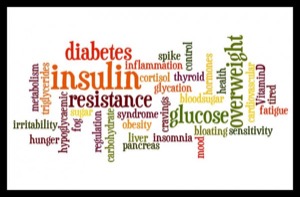
Today, we eat a vast amount of sugar-rich and starchy foods that push our bodies to their biochemical limits. When we eat carbohydrates our bodies produce insulin to allow glucose to enter the cells for fuel and keep blood sugar levels in check.

A high carb diet from overconsumption of grains, starches and sugary foods results in constant insulin spikes as the body attempts to keep blood sugar levels at their low default setting; a very narrow threshold that evolved over millions of years when there was hardly any glucose available to us.

Insulin resistance

When insulin keeps spiking from years of eating sugary and starchy foods, the cells of the body stop responding to its message and it can no longer do its job properly, as there is simply too much dietary sugar to deal with. The sugar gets converted into fat and the body loses its ability to regulate its glucose load.

The driver behind most degenerative conditions

Insulin resistance is the driver behind diabetes, inflammation, heart disease and high cholesterol, and can contribute to carcinogenic changes in the body (cancer cells are greedy for glucose), as well as setting the stage for Alzheimer’s, which is now being classed as type 3 diabetes. Female hormonal imbalances can be addressed by lowering excess glucose because high insulin plays havoc with hormonal balance. 

Eight benefits of low carb eating

When blood sugar levels remain balanced, insulin stays low and stress hormones are spared, resulting in health benefits, such as:

1. Increased energy

2. Stable moods

3.Hormonal balance

4. Lowered stress response

5. Freedom from cravings

6. Fat burning

7. Lowered inflammation

8. Better sleep

What to eat on a low carb diet?

• Green leafy vegetables

• Salad leaves

• Herbs and spices

• Seaweed

• Low starch veggies – cauliflower, broccoli, kale, radish, asparagus, cucumber, tomatoes, peppers, courgettes, aubergine, sprouts…

• Quality protein from natural sources like grass-fed meat and wild fish

• Free range, organic eggs

• Raw nuts and seeds

• Healthy fats from cold-pressed oils, virgin coconut oil, extra virgin olive oil, nuts, avocado, oily fish, fatty meats…

• Low sugar fruits packed with antioxidants like blueberries, strawberries & blackberries

• Some grass fed, organic dairy

A typical day of low carb eating:

Breakfast: scrambled eggs and veggies

Lunch: salad packed with leaves, a protein source and a decent drizzle of olive oil, a sprinkling of nuts and fresh herbs

Dinner: vegetables, a quality protein and lots of healthy fats, such as wild salmon with broccoli cooked in butter, or chicken and roasted veg drizzled with extra virgin olive oil.

Your body knows best

Your body has a deep inner wisdom and you’ll be more finely tuned to listening to it if you get out of the perpetual cycle of sugar and starch addiction. 

Find out for yourself

Try slowly cutting out sugary and starchy foods and see how good you can feel without them. I guarantee you will feel supercharged and awesome! Eating this way deeply supports your body’s biochemistry.

Get the help you need

If you’re a slave to cravings, addicted to sugar, starchy or processed foods and would like to experience a whole new level of health and vibrancy, or to address any health conditions with a therapeutic diet, seek the advice of a nutrition professional to help you find your balance again. 

l Jo Rowkins, Nutritional Therapist & Lifestyle Coach at Awakening Health.

http://www.awakeninghealth.co.uk

A passion for appassimento

We’re still in lockdown. It’s cold. There’s snow on the ground. Let’s go to southern Italy and talk about wine.

About two years ago, I was introduced by a friend to a wine, currently available at Waitrose for under £10 (sometimes well under £10), that has become one of our favourite weekday wines. It’s made by a firm called Terre di Faiano which is based in Chianti but they have vineyards in Southern Italy and Sicily.

The grape is Primitivo, the same grape as Zinfadel in the USA, and it’s from Puglia. It’s extraordinarily full-bodied, creamy smooth, and unlike almost any other Italian wine I’ve tasted.

For two years I’ve puzzled over how this wine comes to be so good and only discovered the answer when Waitrose put another wine on the shelf alongside it. This is also by Terre di Faiano but the grape is Nero d’Avola and it’s from Sicily. And the giveaway is that on the label it mentions appassimento. The penny dropped. Perhaps the Primitivo is made the same way, I wondered, and a look at Waitrose’ website shows that it is.

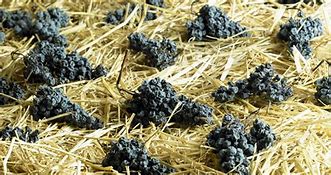
What is appassimento? It means ‘dried up’ or ‘tired out’. The basic principles of winemaking are pretty standard: once ripe, the grapes are pressed, the juice is put into some sort of container and left to ferment, then bottled, sometimes after spending some months or years in oak casks. But if the wine is made by the appassimento method the grapes are left to dry before starting the whole process. They used to be left out in the sun on a bed of straw, which is why it’s called in English ‘straw wine’. The purpose is to increase the sugar content of the grapes and reduce the water content. The resulting wines are more alcoholic or sweet or both, a deeper red and packed with flavour.

They’ve been making wine like this since the Ancient World. Hesiod (he’s the one who was roughly contemporary with Homer but less grand, more personal) described it in around 700 BCE and it’s been used in Sicily and Puglia for centuries. But the most famous wine to use it is in northern Italy, just north of Verona, where the local wines tend to be thin and bitter. Amarone della Valpolicella is made this way. It gives a red wine of extraordinary power, nearer to a port than to an ordinary Valpolicella, which can be thin and bitter. Just to complete the northern Italian story, they even keep the lees left after draining off the fermented Amarone and pour ordinary Valpolicella wine on top. There follows a second fermentation and you get another beefy wine that’s called Ripasso (‘re-passed’ in English) though less full-bodied, and much cheaper, than Amarone. Finally, the winemakers may deliberately leave enough sugar unfermented to make it sweet. It’s called Recioto and the Italians drink it at the end of the meal.

I’ve had other wines from Puglia made by the appassimento method and I’ve found them too much. The heaviness is overdone, the flavours too ‘jammy’. The Terre di Faiano from Sicily is a bit that way, to my taste, although it gets great customer reviews. It’s made with the Nero d’Avola grape which has no trouble making dark, robust wine without the need to dry the grapes. But somehow, with the Primitivo from Puglia the winemakers seem to have hit the spot. I plan to get a good supply in before this article goes to press!