
Peter Batten writes about a man named John…
Recently I heard a young actress on TV discussing her latest role as the Duchess of Malfi in John Webster’s play of the same name. As a schoolboy aged 17 this play made a great impression on me. Two or three days later the Globe Theatre Company announced that work was in progress to create a replica of the Blackfriars indoor theatre, where so many great Jacobean plays, like The Duchess, were first presented.
My mind went back 20 years to a time when I was trying to write a novel set in the Jacobean theatre. My plot involved a number of actors working at the Blackfriars Theatre c 1615. They were worried about visits, incognito, by James I, who had become infatuated with one of the younger actors, who played female roles. They were worried that the affair might go badly and lead to the closure of their profitable indoor theatre. To develop my novel I had to find out much more about that great period in our theatre from 1570 to when theatres were banned in 1642, at the start of the Civil War.
From the building of the first playhouses outside the city limits, there began an explosion of theatrical activity in London. The City was growing rapidly, fortunes were being made and anyone who escaped the almost feudal system in the countryside could find employment and shelter. This new form of entertainment rapidly attracted more actors, new writers, entrepreneurs and new venues. What impressed me most, as I did my research, was the tremendous amount of collaboration and co-operation involved in this artistic explosion. Because for the last 200 years we have been obsessed with ideas of the great creative individual, we find it hard to understand a time when, because of the pressure to produce new plays, many individuals might contribute to a new text for performance. Of course, great talents like Shakespeare and Ben Jonson stood out, but like everyone else, they were happy to accept help, and to help others. Today, thanks to the huge amount of research carried out in the 20th Century, we have a much better understanding of what went on. That is what is so infuriating when people who have made no real effort to study the period come up with suggestions that Christopher Marlowe or the Earl of Oxford wrote Shakespeare’s plays. And, of course, they have not made any serious attempt to study the very different writing styles of these three men. What I found fascinating, as I continued my research, was the amazing number of talented actors and musicians who were active in the theatres at this time. Yet, if we are not theatre specialists, we know hardly any of them. We may have heard of Richard Burbage or Edward Alleyne, or even of a clown like Will Kempe, but who else?
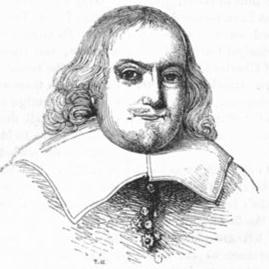
If you would like to discover how much we now know about this great age of our theatre two recent paperback books are full of information: 1599, A Year in the Life of William Shakespeare by James Shapiro, and Shakespeare & Co by Stanley Wells.
 The Whistler