

Brighton’s cultural identity is rooted in its people. A city full of artists, musicians, and small-business owners, Brighton is a hub for creative visionaries. But as closures mount and rents soar, the city’s identity feels increasingly under threat.
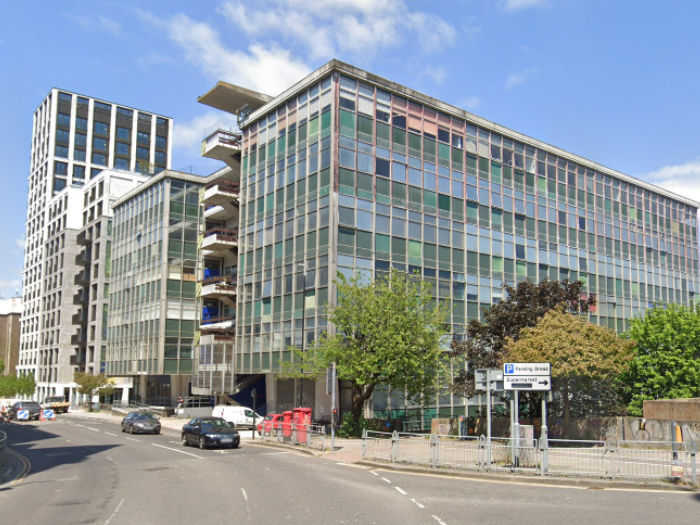
In March, Brighton and Hove City Council announced plans to vacate New England House, an eight-story commercial building near Brighton Station. For years, it has been home to some of the city’s most vital creative artists, photographers and performers who rely on its affordability and collaborative atmosphere to sustain their work.
The building opened in 1963, described as “the world’s first high-rise industrial business centre,” and is home to over 100 different enterprises. It is owned by Brighton and Hove councils and is one of the few publicly controlled workspaces in a city dominated by private rentals.
The decision to close its doors was made after serious fire risks were identified after months of deliberation. A fire safety report identified severe issues, inadequate fire protection, insufficient fire detection and no accessible evacuation options for disabled people. The required renovations would be extensive, and with no clear timeline, tenants have been told to vacate by September.
In March, a group of 11 business owners from the House submitted a deputation to the council’s cabinet, appealing for a more generous notice period. Along with assistance in finding a suitable alternative, the council has maintained its deadline.
While it is difficult to contest decisions concerning fire safety, particularly in the shadow of the Grenfell disaster, the impact on Brighton’s creative community is undeniable. As affordable industrial and commercial spaces become rarer, many of these tenants will likely be pushed further out of the city. And a closure such as this is sure to devastate the creative industry Brighton is known for.
Cllr Jacob Taylor, Deputy Leader of Brighton & Hove City Council, said:
“We inherited a nightmare situation with New England House, a creative hub for decades, which unfortunately is having to be evacuated because of fire safety issues. But we are determined to help rehouse tenants where we can, and are exploring using other council buildings to do so. Looking to the future, I’m determined to recreate the spirit of what we had at New England House in a new or refurbished building.”
New England House is not an isolated case. The City has seen a rapid decline in commercial spaces. Independent cafes, art venues and longstanding local businesses have all quietly disappeared, being replaced by big chains, Airbnb and high-end flats.
Beloved Shops like Hisbe, Gak and Dockerhills were all important local businesses that have shut their doors. Venues, cafes and community hubs have disappeared, often replaced by big chains or luxury flats designed for investors, not residents.
“One of the things that makes Brighton & Hove so special is its creativity, and the vibrancy of small business in the sector. But – we should be honest – this is under threat, because of unaffordable housing and a lack of light industrial and creative space in the city. We need to build more affordable properties, and we need to ensure new developments have affordable and appropriate commercial space for our industries,” Cllr Taylor added.
A decision on the future use of New England House is expected to be made in the summer by the council cabinet. However, tenants will now be looking to move their business elsewhere as the September deadline looms.
 The Whistler