
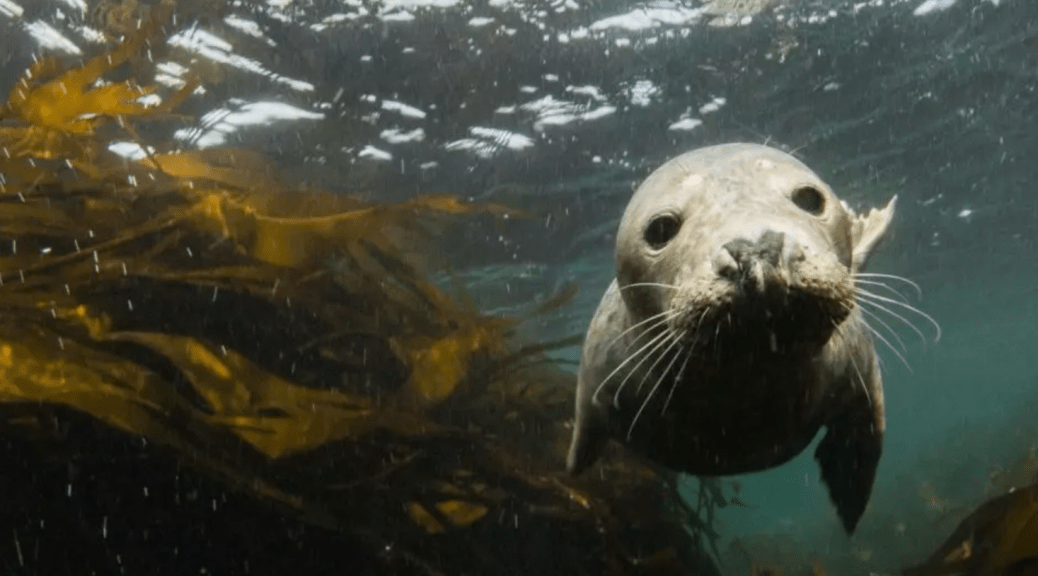

Brighton’s seaside is a playground, a health spa and a boon to the local economy. But in our crazy industrial food culture, we’re much more likely to buy our fish already battered in a shrink-wrapped plastic package from the supermarket than one of the lovely fish stalls on the beach or the fish shops – Andrew’s in the Open Market or Brighton & Newhaven Fish Sales next to Hove Lagoon, where the fish come straight off the day boats, supporting the environment and the local fishers.
Our coastline has been through its own boom and bust, with fish stocks on the critical list and the ocean’s eco-system becoming decimated by the heavy hand of the industrial food system. But there’s good news coming in on the Sussex waves; Dolphin Head, south of Selsey Bill, was designated a Highly Protected Marine Area (HPMA) last year, after years of campaigning. Following decades of bottom-towed trawling, the site has become degraded, but these new protections will allow the area to fully recover. The area is a hotspot for bio-diversity, with several habitats found there and is used by numerous seabirds and marine mammals, including Risso’s dolphins and Harbour porpoises.
It was a lone fisherman we met on a dog walk on the beach at Shoreham who told us that Rampion wind farm has brought all sorts of fish back to its waters, that the sea bass and plaice come right up to the beach now, and there are plenty of sea bream further out. “It doesn’t just stop the trawlers. It’s created a reef which provides new habitats.”
And that creates a whole new eco-system.
Local campaign group, Sussex Underwater, which only this autumn won a coveted Maritime Award for their film Our Sea Forest, reports that mussel beds are returning. Like oysters, these biovalves create important habitats for other species, and provide food for rays and other fish.
It’s an astonishing reminder of a world that turns out of our view. Charles Clover, author of Rewilding the Sea, and seasoned environmental journalist says that we need to dive deep and wake up to what’s happening in our oceans not just to save the planet but to remind ourselves of what the Channel might have been like many years ago. “The dynamism of nature is just quite fantastic” he tells me. “If you leave it alone and harvest it really sustainably, using methods that don’t damage the rest of the ecosystem, then it does you multiple favours.”
Co-founder of the campaigning Blue Marine Foundation, Clover is bringing life back to our oceans and writing about it beautifully. Margaret Atwood calls his book “a game changer”. Knepp’s Isabella Tree says it’s “desperately needed”. George Monbiot says, “What if our seas became productive again with giant sturgeon, halibut and skate? It’s closer than you think.”
“It’s not about not eating fish”, Clover tells me. “It’s about making sure the fish are managed properly. An extremely good example of the resurgence is the Bluefin Tuna around Britain’s shores. It’s not been there for 70, 80, 90 years, but it’s back. And it’s back principally because of a fisheries management decision.”
Industrial fishing has an enormous impact upon biodiversity; trawling and dredging smashes up the seabed, destroying “the forests of the sea” where the humble seaweed draws down CO2 and locks it away forever. But as Charles explains, Sussex Kelp has turned the tide on trawling.
“Sussex Kelp brings together the three reasons why we must rewild the sea: for greater food security, for biodiversity and for climate,” he says. In his book, he tells the story of Eric Smith, the Shoreham free-diver with Sussex Underwater who campaigned for the protection of the kelp belt, and continues to report on the astonishing recovery of this area from trawling. As a result of his work, mussel beds are expanding, stingrays have been sighted and the kelp is returning, says Clover.
“Kelp is one of many as-yet unquantified mechanisms that can help sequester carbon from the atmosphere and lock it up in sediments, though where its leaves go to that are not washed up on the shore is complicated and hard to quantify. But in the end, it will take its place with seagrass, saltmarsh, mangrove and, I believe, other forests of the seabed, in being recognised as an important mechanism that must be protected, that makes our planet more resilient.”
With the protection of the Sussex kelp, fish have come back as well as lots of other organisms, and local fishermen are happy too. “It shows what we could do all round our shores and it shows that in some places at least, we are moving in the right direction. As Eric puts it, “we are winning.”’
l Rewilding The Sea: How To Save Our Oceans by Charles Clover (Penguin)
l Hear more from Charles Clover on Gilly Smith’s podcast “Cooking The Books with Gilly Smith”
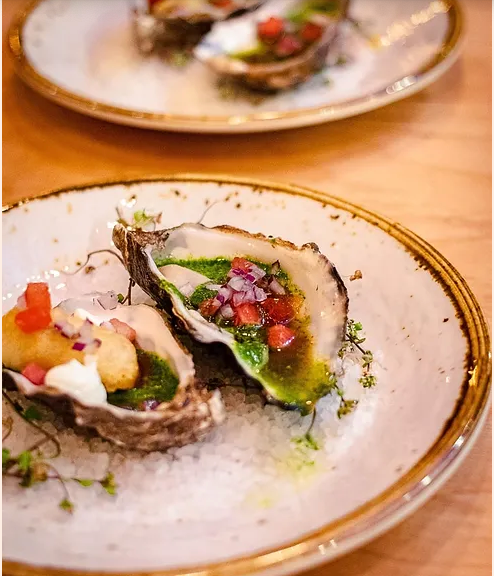

 The Whistler