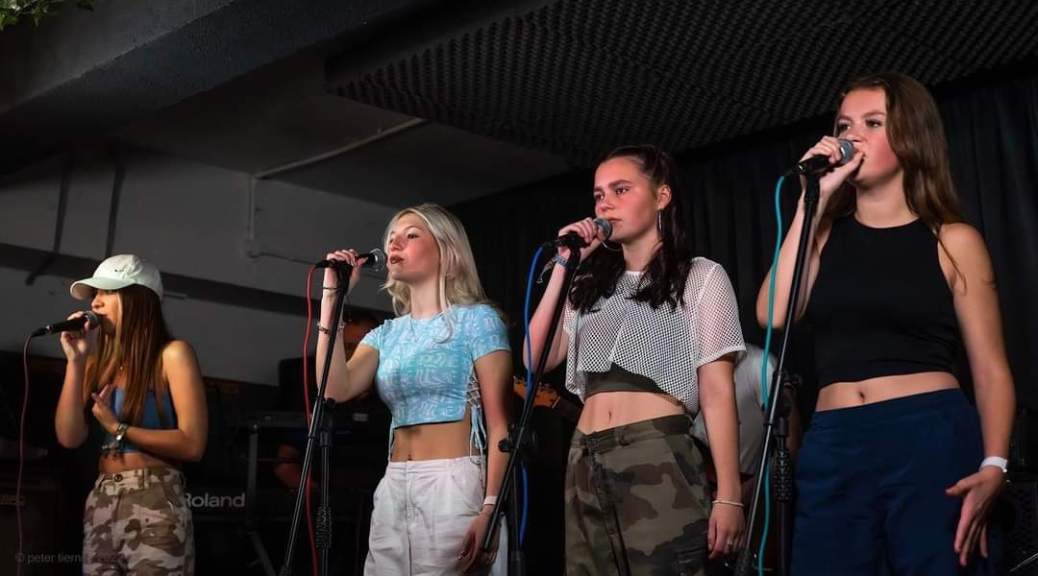
I’m sitting in NuSoul Studios in Woodingdean – “the coolest & best rehearsal, recording, video & compact venue space locally” – talking to producer Simon Hill and singing coach Gary Whalen who run the studios and Millie, Maisie and Keira, three smart young women who are the vocal group NuSoul Union. Well, there’s a fourth, Libby, but she’s not here – “She’s a bit quiet at the moment, but she’s here in spirit” says Millie, who, at 18, is the oldest of the group.
“So I’m the mother of the group”.
Are you sure you want to be seen like that? I ask, and she laughs.
The idea of NuSoul Union came to Simon and Gary a few years ago and different members have come and gone, but the line up has been settled since Keira joined almost two years ago. Now, they’ve got the together thing, the ‘finish each other’s sentences’ together thing.
We’re talking about what they do and how they do it and Simon said “a very big part of the reason it works is that they have four very different voices. Okay, even the kind of bands you could possibly compare them with like En Vogue or Destiny’s Child” – if you’re going to set a bar, set it high – “they’ve not got particularly different voices. They’re all great singers, but what we do is something different, we’ve got four very different voices.”
What do you mean, different voices? Do you mean like The Temptations or something where you have a very low, bass guy and…
“Let’s show you” said Gary. And they get up and walk over to the white grand piano – yes, there’s really a white grand piano in the studio – and break into a beautiful accapella version of their single “Boy” which is just lovely. They float in and out of the song, enjoying the moment in a way that people who are good and know they’re good do. I was going to say “effortlessly” but it’s far from effortless. They’ve really worked at their craft. They come in every day.
“Yes, every day” said Millie.
“Every single day” said Keira.
And what do you do, every single day?
“So we do individual lessons to work on our voices independently to stretch, do whatever we need to work on, songwriting and all of that stuff, work on new songs. Make sure the harmonies work, everything’s tight. We’re also working on everything else, dress, clothes, appearance, moves, dance, all that”
“And then we have our college as well, which is also here”. They’re studying for a Music Business diploma at Sutton District College, where Gary is Head of Performing Arts. There’s a branch in Woodingdean.
“It’s kind of just everything to do with the music industry. So yeah, we’re in college. Wednesday, Thursday, Friday. Brighton School of Singing on Monday”.
Since Christmas they’ve played the Brunswick and Shortts Bar in Kemptown, and they’ve got a new EP in the pipeline which they played under a promise “Please don’t share it” and which, OK, I won’t share but I will say it’s blimmin lovely and completely blows away the idea that it’s been largely made by three 16 year olds and an 18 year old.
What’s the best bit, what do you like doing best? “I think the best part is just been able to do it together. We’ve done solo stuff as well, and even though that’s like fun to do, it’s just nicer doing it with your friends. Yeah.”
It’s been a bit of a day. Everyone, they all want something. Whether it’s time or space or energy or just you. They all want something. God, you’re exhausted. Now imagine this. You’re lying down in a candlelit room. Slowly the air is filled by the undulating sounds of gongs and Tibetan bowls, rising and falling, swirling and twirling, sounds that take you away to… to somewhere calm and peaceful. Stress? Right now you don’t even know how to spell it.
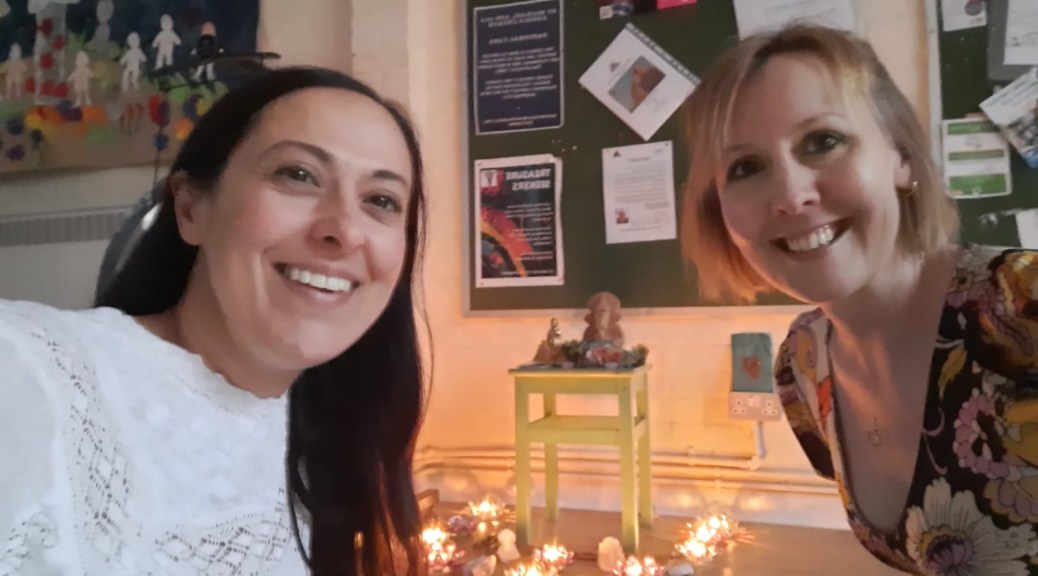
Emma Thomas and Naomi Potter (left and right) run sound baths in St Michael & All Angels Church in Powis Road and, because they understand how stressful running The Whistler is, invited us along. And very lovely it was too. Floaty and blissful and lovely. The mesmeric sounds of the gongs and bowls are transporting and meditative and take you somewhere else. If you can stop yourself falling asleep – and I did, honest – it’s just beautiful. The next ones are February 11 and 18. Phone Emma on 07974309972 for details and tickets.
Back when we lived as hunter gatherers there was a limited supply of carbohydrate-rich foods. We hunted wild animals, caught fresh fish and foraged for green leafy vegetables, herbs, berries and nuts. We lived close to the land and honoured the seasonal changes. We had times of fasting and times of feasting. This is the way our bodies evolved. There was no bread, pasta, grains or refined sugar.
Today, we eat a vast amount of sugar-rich and starchy foods that push our bodies to their biochemical limits. When we eat carbohydrates our bodies produce insulin to allow glucose to enter the cells for fuel and keep blood sugar levels in check.
A high carb diet from overconsumption of grains, starches and sugary foods results in constant insulin spikes as the body attempts to keep blood sugar levels at their low default setting; a very narrow threshold that evolved over millions of years when there was hardly any glucose available to us.
Insulin resistance
When insulin keeps spiking from years of eating sugary and starchy foods, the cells of the body stop responding to its message and it can no longer do its job properly, as there is simply too much dietary sugar to deal with. The sugar gets converted into fat and the body loses its ability to regulate its glucose load.
The driver behind most degenerative conditions
Insulin resistance is the driver behind diabetes, inflammation, heart disease and high cholesterol, and can contribute to carcinogenic changes in the body (cancer cells are greedy for glucose), as well as setting the stage for Alzheimer’s, which is now being classed as type 3 diabetes. Female hormonal imbalances can be addressed by lowering excess glucose because high insulin plays havoc with hormonal balance.
Eight benefits of low carb eating
When blood sugar levels remain balanced, insulin stays low and stress hormones are spared, resulting in health benefits, such as:
• Quality protein from natural sources like grass-fed meat and wild fish
• Free range, organic eggs
• Raw nuts and seeds
• Healthy fats from cold-pressed oils, virgin coconut oil, extra virgin olive oil, nuts, avocado, oily fish, fatty meats…
• Low sugar fruits packed with antioxidants like blueberries, strawberries & blackberries
• Some grass fed, organic dairy
A typical day of low carb eating:
Breakfast: scrambled eggs and veggies
Lunch: salad packed with leaves, a protein source and a decent drizzle of olive oil, a sprinkling of nuts and fresh herbs
Dinner: vegetables, a quality protein and lots of healthy fats, such as wild salmon with broccoli cooked in butter, or chicken and roasted veg drizzled with extra virgin olive oil.
Your body knows best
Your body has a deep inner wisdom and you’ll be more finely tuned to listening to it if you get out of the perpetual cycle of sugar and starch addiction.
Find out for yourself
Try slowly cutting out sugary and starchy foods and see how good you can feel without them. I guarantee you will feel supercharged and awesome! Eating this way deeply supports your body’s biochemistry.
Get the help you need
If you’re a slave to cravings, addicted to sugar, starchy or processed foods and would like to experience a whole new level of health and vibrancy, or to address any health conditions with a therapeutic diet, seek the advice of a nutrition professional to help you find your balance again.
l Jo Rowkins, Nutritional Therapist & Lifestyle Coach at Awakening Health.
It’s been a wet old winter for your feathered friend as she braves the dark skies in search of the best food finds and drinking dens for her Whistler readers. But as the clouds part and the days get longer, it seems that there’s signs of new beginnings popping up all over West Hill.
In Guildford Road alone, the legendary Sussex Yeoman, at one time the easy winner of Best Sunday Roast in Brighton is set to welcome its new tenants after 18 years of the old regime. As your Gull hovers, the doors are bolted, the boards are up and the ‘substantial investment’ promised by owner, Greene King, seems to be already under way. The Gull had become used to a regular leftovers feast of a Sunday evening as the city’s largest portions defeated even the healthiest of appetites. Check in the next issue to see whether the new menu has whet the Gull’s super-discerning whistle.
Over at the ever-buzzing Eddy, those animal and bird-loving landladies, Hatt and Jess are planning more arty pub nights. With Deliveroo biking the food in from all corners of Brighton, your Gull is not the only scavenger waiting at the bins as punters pile in for rockabilly bands and fancy-dress film nights.
The take-away pizzas from VIP seem a particularly popular choice among the birds of West Hill, so large are they that there seems to be enough for everyone. This grumpy Gull did notice, however, that with palate in one hand and brush in other, there was precious few pickings at the end of the recent Bob Ross live paint-along, even for this art-loving bird. There will be more Bob Ross nights coming as soon as March, but in the meantime, the rockabillies coming out to play with the Box Stomping Boys on Feb 17th are a much better bet for a hungry gull. (And check out http://www.westhillwhistler.com for an interview)
Always on the hunt for food news, your Gull hears that Drakes Hotel in Kemptown has captured a couple of tasty chefs from 64 Degrees. Tom Stephens and Madeleine Riches are launching a tasting menu only restaurant called Dilsk in April. Expect five courses for £55 and 10 for £95, a sure-fire leftover offering for your hungry bird,
Catching a thermal, the Gull soars over to Western Road where a familiar scent of seafood is floating on the breeze. Sniffing closer, it seems that Brighton’s best chef, Duncan Ray, the man that Michelin missed, is sharing his brilliance at Atelier Du Vin’s new wine bar, Cases.
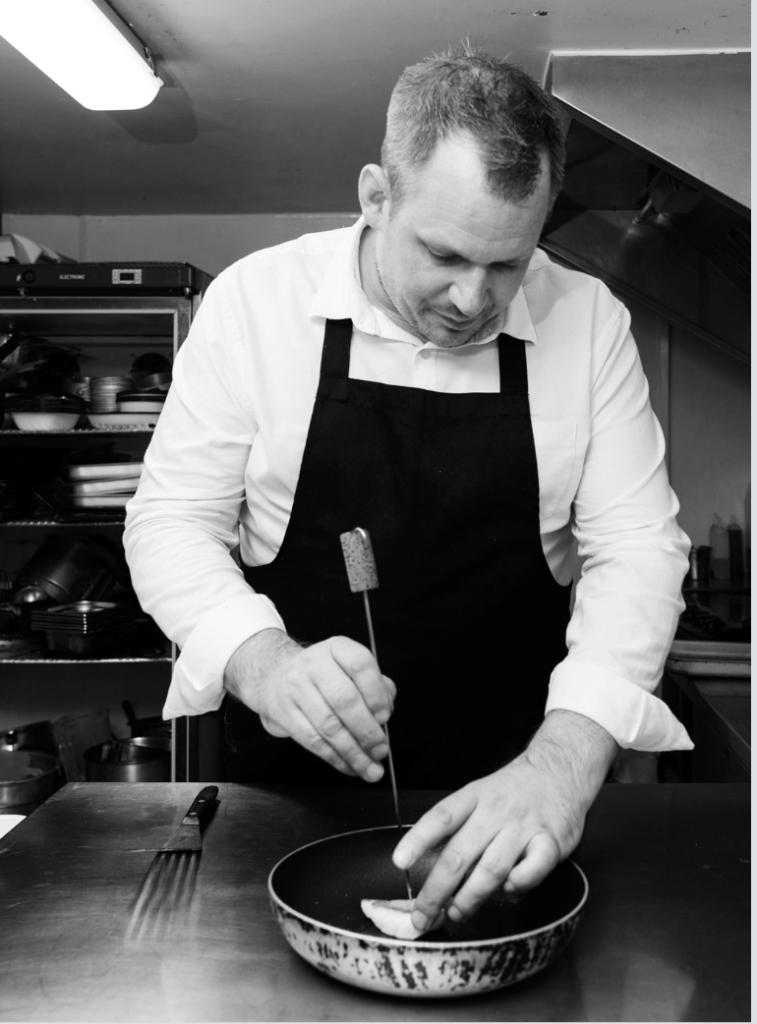
Shared is his new menu concept which takes him away from his (and your Gull’s) beloved bivalves at Little Fish Market (pictured) with a much meatier menu. At £90 for two and his signature oysters to start, just one sitting a night will get a tour of his other favourite dishes cooked by his mate, artisan maker and purveyors of fine pies, Al the Pieman. Expect a terrine of Fosse Meadow chicken, Al’s famed beef pie, rump of Saddlescombe lamb with Potato Anna and lentils and a little Financier biscuit with pear and salted caramel that your Gull’s got her beady eye on. Local, delicious food, cooked by the best in Brighton; this bird just hopes that Shared means what it says on the bin.
It’s when Brighton foodies refresh their Instagram feed, ready to pounce on Open Table and book the top 20 restaurants in the city, as voted by ‘those who know’. It’s that time when Brighton cab drivers high five each other, knowing that we’ll all be going out to eat more, taking confidence from the recommendations of Brighton’s Best.
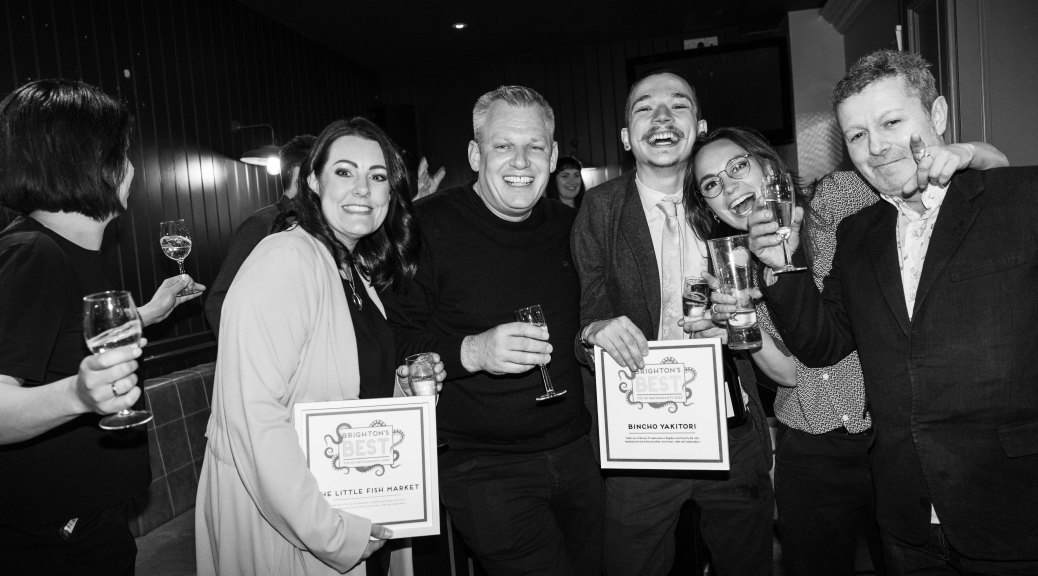
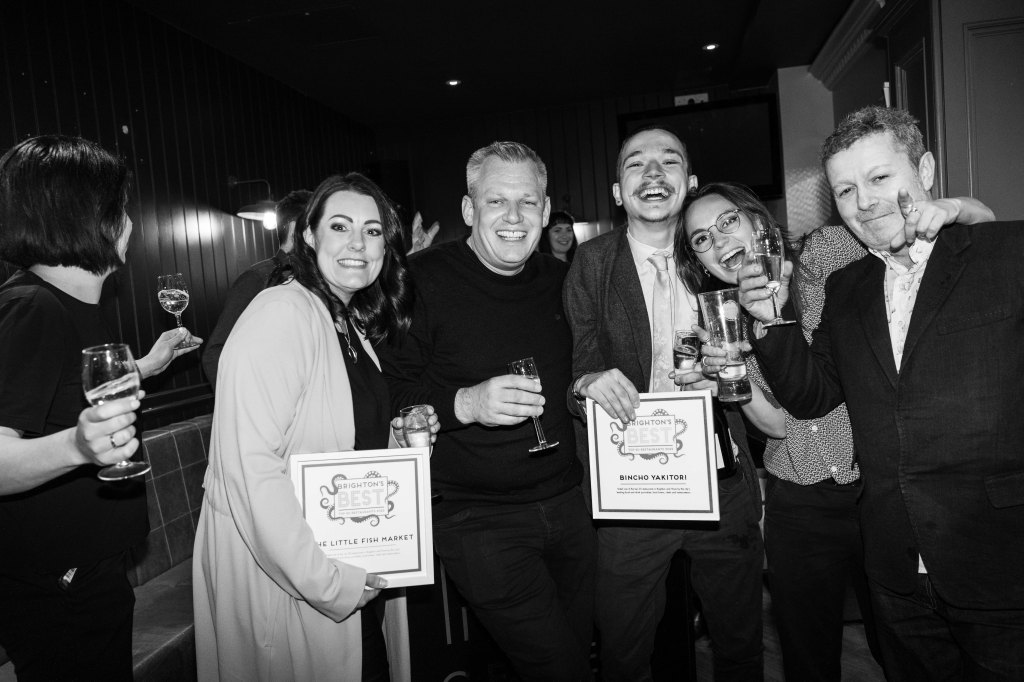
As founder of the Juicy Guide and Awards back in the early 2000s, I’ve witnessed the influence of a gong. Judged by a panel of the city’s most well-fed foodies, the Top 20 will be announced at Brighton’s Best 2023 on March 20. But Euan MacDonald, one of the four founders of the awards which has been rating Brighton and Hove’s favourite restaurants for the last eight years, told me that it’s its autumnal sister, October Best which can give the most interesting indicators of what the public choose. The annual of feasting at £25 per head at any one of that year’s crop has become a bit of bun fight, with the public voting with their wallets; the clear favourites are sold out within an hour of release, or in the case of Bincho Yakitori within minutes…
‘We had 60,000 people visit the site in the first hour’ Euan told me, ‘and that’s predominantly from within Brighton and Hove. It’s like the public poll.’ Less 64 Degrees and more Chilli Pickle is what ticks the local box.
So where else among the BB top 20, other than Bincho, did Brighton and Hove food fans go for last year? ‘Well, I think Namo (Eats) had a really interesting October Best. We had so many people who didn’t know them, but she put on a terrific value menu. I think it was 25 quid for two. And we know that with it was chefs who were ordering her takeaway auction last year more than anyone else.’
It’s part of Brighton’s Best’s mission to support indie restaurants in Brighton and Hove, and Namo Eats is a great example of how it works. Another is Halisco. ‘As they’re next door to Bincho, I think people who couldn’t get in there went, “Well, let’s just see what Halisco’s doing. They put on a mix of both menu and events, including a charity night to raise money’, Euan told me. ‘They had cocktails as part of their package, so they had a brilliant October Best!’
It’s also a great way to reach new diners even for those we think of as booked up all year round. ‘Dave from Bincho used to use October Best as his main marketing strategy’ said Euan. ‘He’d lose money in October because it was his way to go out and meet loads of new customers and get them on his books. The Set had a fantastically popular October Best because they were raffling tables off. And so they were able to accrue a huge amount of new followers to their Instagram stuff.’
But what does it say about the way that people are eating out in Brighton now? A city once leading the way in sustainable choices – Terre a Terre was scooping up the national awards decades ago; the vegan Happy Maki was born here – is now less interested in where its meat and fish comes from than a climate conscious foodie in more, let’s say food literate cities might be. In short, Brighton and Hove food fans are perhaps more into their Instagram stories than the unfolding drama of soil health and climate change.
‘Well, I think that food literacy had a peak’ said Euan, stepping out of BB’s shoes for a moment and into his food consultant’s. ‘Dan Kenny (The Set) is a great example. Whatever Dan does, I know he won’t sell himself short on that type of thing.
“But what we’ve got at the minute is a lot of people who are conscious of overheads, and so conscious of costs. So what can they do? They ask themselves what they’re prepared to trade off. Brighton has never wanted to spend huge amounts on eating out. We’re so close to London, but we just have never had the pockets.’
Part of the problem in Brighton’s sustainable food scene is the tourist; Euan says that post-pandemic, many restarateurs just can’t prioritise ethical choices when the tourist pound is so integral to their survival. ‘Really, I don’t think it’s something that is front of mind for a lot of the owners and operators’, Euan told me. ‘What a lot of visitors to Brighton do in a way that you might not do in London is they’ll try and go to three places in a night. If they’re down for a weekend, they want to see as much of it as they can. So if
they’re not keen on the price, they’ll jump somewhere else. And that’s a real worry for restaurants at the moment.’
More worryingly for the planet is that Brighton diners don’t care much either. ‘It never comes into it’ said Euan, when I asked if Brighton’s Best is ‘marked’ on its sustainable sourcing. ‘It’s about the dining experience. And that has never been raised in any feedback. I would say it’s not front of mind for a lot of people.’
So what should we look out for in 2023 in Brighton and Hove restaurants? ‘The year was split into two hubs for most restaurateurs’, Euan told me. ‘First is: are we still going to be here at Easter? I don’t think it’s going to be as bad as people thought it was. But I know that at the tail end of last year, a lot of people were very worried about the first six months of this year. So first of all, I think everyone will just do what they got to do to stay where they are. So that doesn’t breed a lot of innovation unless you’ve got deep pocket backers behind you.
‘The fact that the whole industry had to be supported during the pandemic has changed the way investors will look at opening restaurants at the minute. And so, what you’re looking at is something which then starts to talk to that entire night out, rather than just the meal. So, keeping people under a roof for cocktails, accommodation. There’s a massive hotel being built on Middle Street. It’s operating more like a Soho House or a club that keeps you in. I’m not saying it’ll be club membership by any stretch, but the prices will reflect that I’m sure.
‘The Albert Schloss group which has venues across the North has looked at Brighton. The food’s actually really good; they lean towards the sort of schnitzel side of things. But they are about getting you in and keeping you in for music, for food for everything. And I think Brighton’s missing that at the minute.’
And there are plenty of opportunities for investors. The development of The Hippodrome is ‘up for grabs’; Churchill Square’s food offering is expanding very soon, which Euan says will look to keep people across three floors of drinks and food. That’s going to be the challenge for the smaller operators,’ he warned. ‘Whereas at the minute, I’ll go to a couple of bars and I’ll go to Bincho or I’ll go to Chilli Pickle, that’s going to change for most people’
It’s a depressing vision of Brighton’s next food chapter. What we need is something new in Brighton, Euan tells me, and for him, Palmito, the Latin-Indo collaboration between Curry Leaf chef, Kanthi Thamma and his pal from his Chilli Pickle days, Diego Ricaurte is it. ‘I’m absolutely in love with Palmito. It’s just food you haven’t had before. And for that reason alone, it’s just so exciting.’
Everything you ever wanted to know about life in Brighton (OK, and Hove)





 The Whistler