Is Brighton the UK’s best city for jazz? Peter Chrisp, who’s been going to jazz gigs here since the 1970s, gives his Verdict. (Verdict. It’s a jazz club. Oh, never mind)
Ever feel like the sun is spent, and now his flasks send forth light squibs, no constant rays, the world’s whole sap is sunk; and you are every dead thing, re-begot of absence, darkness, death: things which are not? Jeez Loueeze lighten up buddy, it’s just the usual January bullshit of darkness…Get your dispirited ageing meat envelope along to JAZZ NIGHT AT THE BEE’S MOUTH and feel the surge of molten Vril coursing back to put that spring back in your step…”
That’s from bassist Eddie Myers’s ‘beat’ifully written weekly posting promoting the Monday night jazz jam he hosts at the Bee’s Mouth in Hove. Here Eddie always contrasts the misery of the season or the bleak news cycle with the life enhancing pleasures of listening to, and playing live jazz.
The Bee’s Mouth jam is just one of more than thirty regular weekly jazz gigs across our finger-popping city. On a typical Sunday, there are eleven of them. As an experiment, you could try sampling a few minutes of each Sunday gig, starting at the Walrus at 12.45 and ending at the Hand in Hand at closing time. When I posted a list of Brighton gigs online, even the musicians were surprised at how many there were. Saxophonist Arabella Sprot said, “I’ve never seen this density of jazz gigs anywhere else I’ve lived and that includes Bristol, Birmingham and Berlin.”
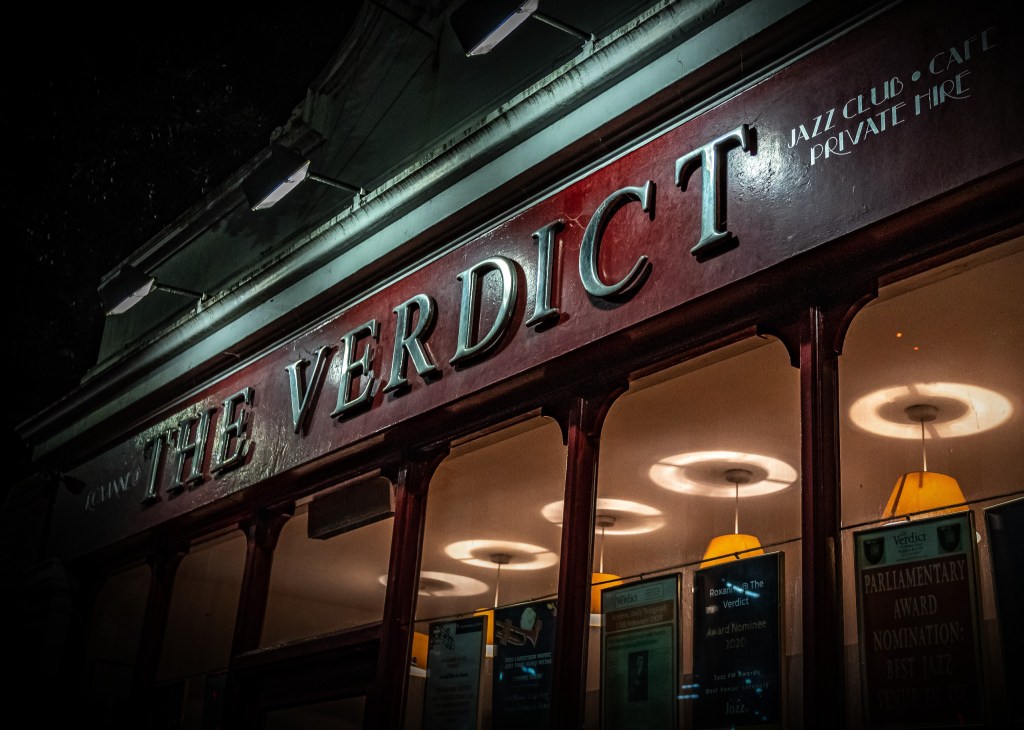
To make a jazz city, you need venues, musicians and appreciative audiences, and we have all three. A big turning point took place in March 2012, when Andy Lavender turned Drury’s tea and coffee shop in Edward Street into the Verdict, our city’s only purpose-built jazz club. Managed by the drummer Tristan Banks, the club hosts jazz jams on Thursdays and international acts on Fridays and Saturday. In 2024, the All Party Parliamentary Jazz Group gave the Verdict their Jazz Venue of the Year award.
New Generation Jazz, set up in 2015, is an Arts Council funded Brighton organisation whose aims are “to help young artists develop audiences outside the capital, and introduce young people in Brighton and the South-East to jazz and demonstrate what a vital, living tradition it is today.” Partnered with the Verdict, they run the September Brighton Jazz Festival, with sold out shows in Horatio’s Bar on the Palace Pier.
Brighton has always been a great place to hear jazz in pubs. Growing up in Essex, I thought that modern jazz was something that happened in the past, on an old Charlie Parker LP my dad bought by mistake. Soon after I moved here as a student in 1976, I came across Geoff Simkins playing lyrical alto sax in the King and Queen. Geoff is still regularly gigging, and I make it a rule never to miss him if I can help it.
More than twenty pubs now have regular jazz, and most of them are free. The pubs pay the musicians, to bring in pubgoers. Several are organised by guitarists Jason Henson and Paul Richards, trumpeter Chris Coull, saxophone player Alex Bondonno and bass player Nigel Thomas. You can also hear jazz in churches, such as All Saints and St Andrews’ in Hove, where Chris has an early Friday evening concert. The audiences at these gigs listen attentively and applaud the solos. The jazz community is also a good place to make cross-generational friendships. I love listening to the old timers’ stories of magical nights at Ronnie Scott’s in the 1960s.
As for musicians, we have loads, the most numerous being the bass players, followed by guitarists and keyboard players. There aren’t so many drummers, so Angus Bishop, Milo Fell and Joe Edwards are kept busy. Look out for the female singers too: Sara Oschlag, Sam Carelse, Lucy Pickering, Rachel Myer, Ela Southgate and Imogen Ryall. There’s a shortage of male singers, apart from swinging crooner Dave Williams.
Once a month, on Sundays, big bands play in the back room of the Brunswick, and everybody should listen to the mighty sound of a big band playing in a small room at least once.
Another thrilling sound to hear in a pub is that of the massive 1964 C3 Hammond organ, played by Bobby Aspey with his band the Lost Organ Unit. Their tunes sound like 1960s classics, yet they’re all Aspey originals. Check Bobby’s feet, always in red socks, bouncing over the bass pedals as he plays.
The quality of Brighton rhythm sections and the enthusiasm of audiences attracts visiting horn players. Saxophonists Alan Barnes and Simon Spillett both regularly make a 100 mile journey to Brighton to play gigs here, and Simon has been known to stay for mini tours. Following them from one pub gig to another, I like to imagine that I’m not in Brighton in the 2020s, but bouncing to bebop along 52nd Street in 1940s New York, and that the Brighton pubs are clubs like the Famous Door and Birdland.
Most locals I know don’t realise that they’re living in a jazz city. But wasn’t that probably true also of most New Yorkers in the 1940s?
I KNOW, I KNOW, I KNOW. Calling a cinema a fleapit is not the most generous of compliments to pay the source of so many of our most treasured memories, but please bear with.
In those nigh-on unimaginable days before TV so brusquely usurped it as the planet’s most popular screen, cinemas were called any number of things, even ‘theaters’ (as, somewhat perversely, they still are in the US, as if nobody could be bothered to invent something more distinctive). The Merriam-Webster dictionary lists no fewer than 28 synonyms for ‘cinema’, from nickelodeon to grind house, among which linger other such anachronisms as fleapit. This British coinage was designed to convey a rather grubby, not to say sneering sense of the oiks who began cramming in to watch the Pathé and Gaumont newsreels when they were launched in 1910.
Smoking might have been permissible for most of the rest of the century, but comfort was low down the list of the owners’ priorities – unless, that is, you were lucky enough, say, to be familiar with The Tuschinski just off Rembrandtplein in Amsterdam, which opened in 1921 and remains an outstanding monument to the art of building picture palaces.
Together with his brothers-in-law, Hermann Gerschtanowitz and Hermann Ehrlich, Abraham Tuschinski, a Rotterdammer who already owned four fleapits in his home city, had decided the time was ripe to open something altogether grander in Amsterdam. The stunningly sumptuous art deco construction took more than two years, but it was worth it.
Incorporating the latest electronic advances, the most welcome innovation was a heating and ventilation system that ensured a uniformly even temperature. ‘We declare before us generously that the wildest expectations have been exceeded,’ rhapsodised the Het Vaderland newspaper, ‘and that Mr. Tuschinski has donated a theatre to our country, of which are unparalleled.’
Not everyone was quite so impressed. Tuschinski and his brothers-in-law would be fired by the Nazis, who renamed their pride and joy and dispatched the creators to concentration camps. By way of resistance, on Queen Wilhelmina’s birthday, a British as well as a Dutch and flag were flown from one of the cinema’s windows.
Happily, those ghosts live on. Post-Liberation, Max Gerschtanowitz, one of the families’ only three survivors, inherited The Tuschinski, reinstating the original name; in 1967, not before time, it was declared a national monument in due recognition of that endlessly alluring design.
Now sandwiched unobtrusively between a clothes store and a cheese shop, walking unwittingly past that imperious Gothic frontage is immeasurably easier than resisting climbing the steps to check out what’s showing in the palatial Screen 1, easily the biggest auditorium I’ve ever come across. Or hear an organ recital on a Saturday morning. Even Pieter den Besten’s murals, lost in a fire in 1941, have been rediscovered and restored.
In the same bracket, architecturally and aesthetically speaking, is Manhattan’s four-storey Radio City Music Hall. Opening in December 1932 as a venue for stage shows, it was rebranded within two weeks, primarily as the world’s largest cinema. Half a century later, that regal interior was celebrated with wistful and captivating nostalgia by Woody Allen in Radio Days.
When it comes to contemporary design, a Lifetime Achievement Award goes unabashedly to the recently redesigned and tarted up National Film Theatre. Known initially as the Telekinema and run by the British Film Institute, it originally opened as part of the 1951 Festival of Britain, next to the railway arches separating the Royal Festival Hall from Waterloo Station, before moving six years later to the Southbank, where it nestles invitingly alongside the National Theatre, the Queen Elizabeth Hall and the Hayward Gallery.
Even for those of us who have spent our lifetimes walking from Waterloo or the Embankment to discover something new or rediscover something old, the NFT still has plenty to commend it besides hosting the glittering London Film Festival: increasingly inclusive and varied themed seasons and a splendidly revamped and overflowing book and DVD shop, but above all the Mediatheque, where you can investigate the world’s largest film and TV archive for absolutely literally nothing.
All the same, having called the Netherlands home for nearly half a decade, my architectural cravings have lately found stern competition in a pair of postmodern Dutch masters. While none of its five screens can be characterised as unusually spacious, The Forum in Groningen is a 10-floor arts complex also encompassing libraries, restaurants, a museum, rooftop screenings and easily the most humungous indoor TV screen I’ve ever seen. More visually ambitious and arresting is The Eye, such a glorious Sydney Opera House-ish eyecatcher to any traveller entering Amsterdam airspace.
AMONG THE MANY incentives to leave bedroom, café or library to watch a movie, the opportunity to marvel at and wallow in the surrounding environment – especially now you can pay top dollar to share a sofa and order food and drink – is among the most compelling. Most vitally of all, nevertheless, is what’s on the bill.
Having recently seen The Wizard of Oz for the very first time there, and also caught large chunks of a splendidly comprehensive Coen Brothers retrospective – complete with items the brothers themselves sanctify such as Ivan Passer’s grotesquely neglected neo-noir thriller Cutter’s Way – I can vouch only too readily for The Eye’s sagacious programmers. The field, nonetheless, is highly competitive.
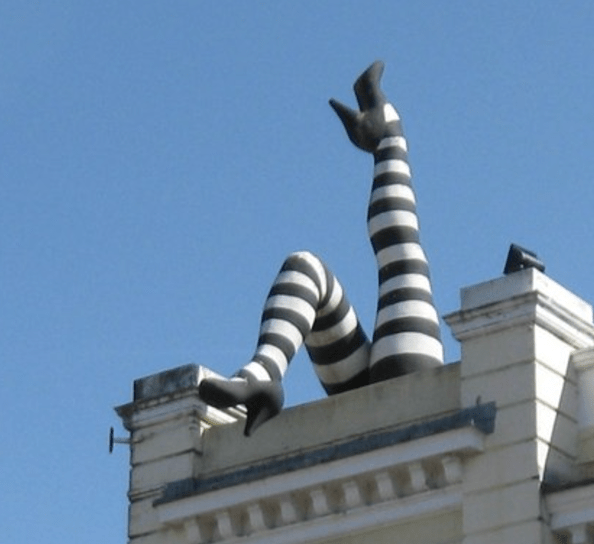
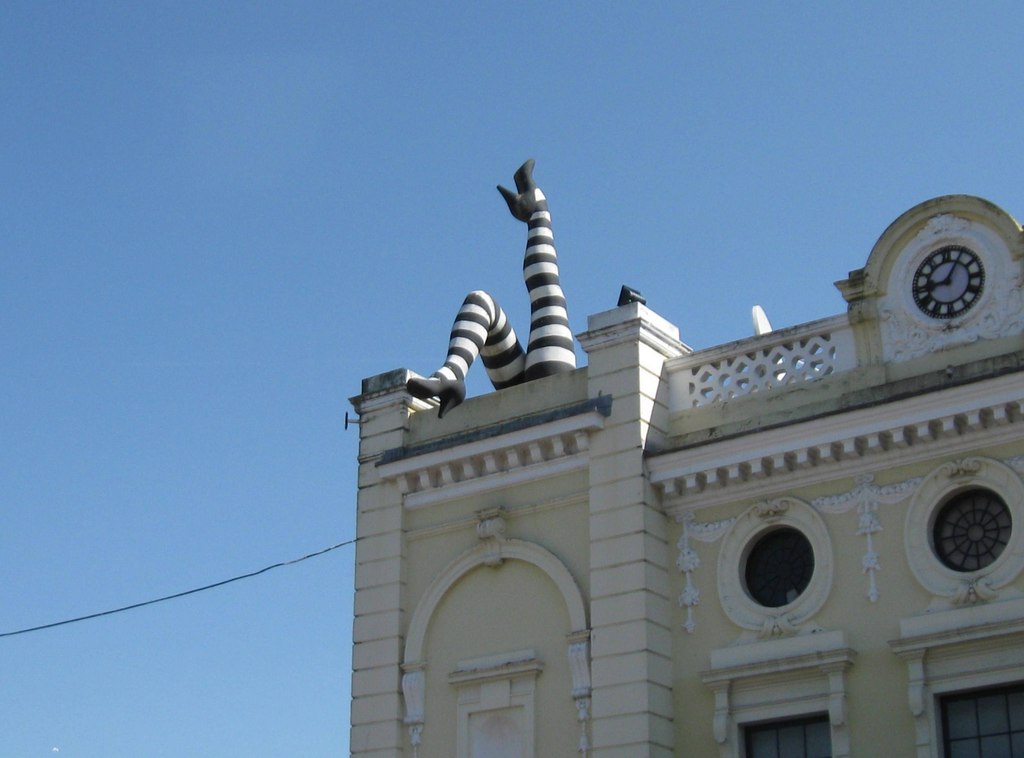
Let’s start with the crown jewel of Brighton, the grand old Duke of York’s, erected at a cost of £3000 by actress-manager Violet Melnotte-Wyatt on the site of the Amber Ale Brewery, whose walls still constitute the back of the auditorium. Artfully restored after being purchased by the Picturehouse group in 1994, fact junkies might like to learn that the 20-foot pair of can-can dancer’s legs now adorning the roof were acquired from the Not The Moulin Rouge Theatre in Oxford.
In my experience of arthouses, nonetheless, you can’t get much more idiosyncratic than Burg Kino. Even now, fully 76 years since my favourite movie was released, this intimate arthouse/grind house in the heart of Vienna still boasts two showings per week of Carol Reed’s The Third Man, which was shot in the devastated city shortly after the end of WW2. In fact, as I type, I’m wearing the t-shirt I bought there: Orson Welles-as-Harry Lime on the front, 3 on the back.
Then there’s the Prince Charles in Soho, where I took out a lifetime membership a decade ago (at 60 quid, a steal worthy of Bonnie and Clyde, and it’s ‘only’ 100 now). Sing-a-long fancy dress parties for The Sound of Music and The Rocky Horror Picture Show are regulars, likewise all-nighters devoted to specific genres, stars or directors. There’s just a handful of other cinemas I know of that I could walk into any day of the week, at just about any time, and find something worth getting lost in.
One stands, once again, in Amsterdam, another in New Amsterdam, a third on Paris’s handsomely stocked Left Bank. Uncoincidentally, the first of these, LAB111, is but a short hop from Flo’s, a fantabulous bagelry on the south side of Amsterdam where us Seinfeld tragics can find The Jerry, The Kramer, The Newman and even my own daringly non-kosher creation The Elaine (bacon and cream cheese on an exquisitely boiled cinnamon bagel, should you ever summon the intestinal fortitude).
That said, I wouldn’t have discovered Flo’s had I not already been a habitual visitor to the only cinema an expat can rely upon for English versions (or versions with English subtitles) of classics and obscurities as well as acclaimed new releases from Dubrovnik to Dubai. That the name of the bar commemorates Stanley Kubrick’s timelessly magnificent satire Dr Strangelove should tell you all you need to know about the taste of its programmers.
The New Amsterdam challenger is another Forum in another SoHo, the NYC one. Best-loved for its continuous celebration of black-and-white, pre-digital filmmaking, it has a Parisian counterpart, Filmothèque du Quartier Latin. The latter’s reliably enticing offerings lose their allure, from a Rosbif’s perspective, not only by scorning English subtitles, but primarily because the venue is the closest I have ever come to spending evenings in a genuine fleapit. If nothing else, those shabby seats and dusty floors and urine-stained toilets made it the ideal place to watch, as I did a few weeks ago, the Coen Brothers’ scuzzy debut Blood Simple.
In keeping with Parisian tradition, a neighbouring duo serving movie nerds and Sorbonne students alike, Christine and Écoles, are both barely more inviting, public health-wise, than Filmothèque. All is forgiven by a steady diet of largely American and French classics spiced up by a variety of clubs from Kino Pop (independent shorts) to the Afrocentric Air Afrique.
TIME TO RETURN to Dutchland. One reason I felt so comfortable after flying into Schiphol in June 2020 was a news story: cinemas were reopening. In Britain, they would stay shut for most of the year. A month later, Rotterdam sealed the deal.
Bombed about a bit during the war, as Carol Reed would doubtless have put it, Europe’s busiest port boasts a towering IMAX on Schouwburgplein (three of the world’s five hulkiest IMAXes, I was soon surprised to discover, are Dutch). Better yet, I speedily discovered three spiffing arthouses within walking distance of NH Atlanta, the art deco hotel off Coolsingel I called home until last summer.
But for the daily alternatives proffered by Lanteren Venster, Cinerama and neighbour-brother Kino, I would probably have retreated back to Amsterdam. Then I found out about the glories of the Cineville card: £20 per month for all the movies you can consume and every single Dutch arthouse at your beck and call. Yes, heaven by any other name.
A city of Rotterdam’s size boasting a trio of such unquestionably fine venues is rare indeed. Each of these anti-fleapits, moreover, has its own distinctive appeal. Home to the Arab Film Festival, Lantaren Venster, for instance, lies just over the Erasmusburg dividing north from south Rotterdam, and is also a major jazz venue. It has just undergone an elegant renovation and claims the further advantage of a waterside café.
Another recipient of a recent refresh is the expanded Kino, now home to six screens. The newish menu is bulging with appetising burgers, the walls chockfull of Chad Gerritsen’s delicious photographs from the set of Apocalypse Now. Seeing Martin Scorsese’s The Last Waltz there on Thanksgiving has become an annual ritual.
Nevertheless, this four-movie-a-week (minimum) junkie’s preferences and loyalties lie with Cinerama, which opened its doors in 1960 and was faithfully rebuilt in 1980. In fusing the best of the elements already mentioned, it adds two special ingredients: the art deco décor and the perfect name. And a Pyjamarama of a Bananarama of a Barbarella of a panorama is truly what it offers.
It was, I admit, love at first sight and second, a now long-running affair that soon prompted me to request permission to photograph every nook and cranny. No lush carpets or flamboyant wallcoverings like The Tuschinski or Radio City, sure, but interiors to faint for. Even the posters lining the staircase and first floor are distinctive: plenty of originals (Death in Venice, Black Orpheus and no fewer than three different Barbarellas) but also cheeky reimaginings by local artists ranging from Sin City and Baby Driver to Jobs and Get Out. Such distinctiveness is further aided by a board game club (bring your own), but be warned: Monopoly is now banned owing to a historical propensity for histrionics.
The seven screening rooms, to be frank, put 90% of their British counterparts to shame – as most Dutch arthouses do – for size of screen, leg-friendliness and bumfort (sorry, couldn’t resist). Plopping my own bum in the middle of the front row of the vast Screen 1 in the middle of the day is now my most shameless hobby, not to mention the closest I will ever get to feeling like David O. Selznick lounging in his own palatial screening room.
Annual attractions include the Wildlife Festival and the refreshingly unsnobbish weekly schedule is never less than varied. Over the past month I’ve seen a raft of movies ranging all the way from newies such as Flow, A Real Pain and Mr K to Andrey Tarkovsky’s Mirror, one of the monthly ‘Classics’. The latest wheeze is Groundhog Day Cinema: on the second of each month for the rest of 2025 you can wallow in the eponymous Bill Murray gem.
I can only conclude with a soulfelt plea. Right now, scandalously, Cinerama and the Prince Charles are both threatened with closure, for the simple and profoundly dispiriting reason that apartment blocks are miles more profitable. And if pre-eminent picture palaces of that ilk are allowed to fade away, whither the less renowned? Let’s just say joining the tens of indignant thousands who have already signed their petitions seems more socially responsible than snorting ‘Hasta la vista baby’.
Slap bang in the middle of their UK tour promoting their latest single ‘Mr Blue’, Spill stopped in Brighton to headline Hope and Ruin alongside Brighton’s Divorce Attorney and Torus from Milton Keynes, and the second Spill hit the stage it was clear that the crowd was ready for the psychedelic metal grunge hybrid the band has become known for.
Having seen Spill play many Brighton shows over the last year (their headline in Dust a particular highlight), it’s so clear to see their strength and progression from being a band that already put on a spectacularly tight and dynamic show, and this gig blew the doors off any previous perception of the band.
From their driving rhythm session of drummer Tom Williams and bassist Alain de Gouveia, Spill commanded the audience, highlighting lead singer Sophie Cawtheray’s vocals in the quieter moments equally.
de Gouveia’s bass tone – the best in Brighton? Go on. Argue with it – serves the kind of music Spill make excellently, balancing their more heavy influences with the psychedelic riffs of guitarists Kieran King and Charly Turpin.
While every member has their moment to shine in their setlist, lead vocalist Soph Cawtheray’s vocals were stronger than ever before at Hope and Ruin, leaning into the gravelly belt she uses oh so sparingly alongside the powerfully soft and subdued vocal melodies she has become so known for in the Brighton scene.
Spill has proven time and time again that they’re a band with serious potential and a strong sense of identity. Their journey on the Mr Blue tour seems to have done nothing but strengthen the already solid base they’ve built for themselves in Brighton and I can’t wait to see where they go from here.
Brighton’s live music scene is one of if not the most exciting parts of living in the city, with a myriad of live music venues to choose from and a wide variety of genres explored by local bands. With so much on, it can be hard to tell what bands should be on your radar. What you need is a guiding hand… Fortunately, The Whistler’s Music Editor is here to shine a light
10. Fire Escape
I first caught Fire Escape back in January and recently caught up with them at their show supporting Lifts. The difference is night and day between January and now as the Brighton-based 5-piece has really tightened up their sound over the last year. Their shows are vibrant and energetic, blending a variety of influences to result in a post-punk meets performance art set that really distinguishes them from other bands in the Brighton scene. (Photo by @moonrockmgmt)
9. Kocapoli
With their angelic harmonies and their driving bassline alongside guitarist Billy Twamley’s blues rock riffs, this band feels like Fleetwood Mac meets The Doors. I first saw them play at Rossi Bar during the tail end of Summer and haven’t been able to get enough since. If you like powerful instrumentals and sultry vocals in equal measure than this is definitely a band you’ll want to see! (Photo by @Flyhighmedia_)
8. ism
I had no idea what to expect when I saw Ism(stylised ‘ism’) play Daltons back in October, and this kind of curiosity is exactly what seems to fuel the band and their eclectic performances. From their decision to assign themes to every gig they play, to the way in which lead singer Tyra Kristoffersen teases the audience during the set, this band is a surefire way to enjoy your evening. (Photo Shot by the band and @__pmw_)
7. Will E. Blay’s Horrible Lot
No words can really do justice to the vibe the Horrible Lot bring to their shows. An equal mixture of Irony and pure funkadelic talent. Frontman Will E. Blay’s energy on stage is infectious and the characterization he and the rest of the Horrible Lot lean into while performing on stage is a load of fun to watch. From fantastic music to an entertaining performance, The Horrible Lot certainly has it all. (Photo by @moonrockmgmt)
6. Bones Ate Arfa
The self proclaimed “Junkyard Dogs” of Brighton, Bones Ate Arfa has been making waves in the Brighton live music scene all year. Their latest EP release Akimbo People serves as a concise and emblematic release for the band. If you’re looking for heavy basslines and a punk rock energy then you are in luck! (Photo by @_beccaconn_)
5. Leibniz
After the release of their new EP Lifetime Patient, Leibniz has been a force to reckon with. Their shows are moody and cathartic, with a set that swells until you almost can’t bare anymore just to hit you with a sensational wave of release. I personally think this band is one of the strongest playing in the Brighton scene at the moment and I cannot wait to see what they do next. (Photo by @_redinfocus)
4. Fever Rouge
Fever Rouge are rapidly reaching Local Legends status within the Brighton music scene. From a well recieved tour to their phenomenal music video release for ‘The Buzz’ (shot by Cavey) this band is reaching new heights every time I see them. I last caught their live set supporting Die Twice at the Hope and Ruin and man, do these guys put on a show. Tracks like ‘Weatherman’ and ‘Feed the Villain bring such a palpable psychedelic rock meets King Krule energy that really sets them apart from modern rock bands. (Photo by @tale.pho)
3. Lana Death Ray
As a massive fan of the grunge and shoegaze music from the 90s, Lana Death Ray is a dream to watch on stage. Frontman Beau Jackson’s dynamic vocal range coupled with their driving rhythm section makes for a new take on the band’s 90s influences. And rumour has it, they’ve got an EP in the works for the new year! (Photo by Fynn Moran Media)
2. Slag
Slag has rapidly taken over my Spotify ever since I saw them play Daltons in early October. Their debut single Ripped is punchy and dynamic, and the way in which the band plays into the lilt of their lead singer’s voice alongside their incisive instrumentals. This band (along with Number One on our list) is really THE band to watch in 2025. (Photo by @ellatibbett)
1. Spill
It’s no secret that Spill is one of the strongest bands in Brighton at the moment. Their rich sound is meticulously crafted and their stage shows are filled to the brim with raw and electric talent. Spill has had a big year and it looks like 2025 will be starting off with a bang as they launch into their first tour to support their upcoming single release ‘Mr Blue’. Not a moment of their set is wasted as they pack their shows full of profound and cynical lyricism, overdriven yet melodic guitar riffs and the meanest bass tone Brighton has to offer. (Photo by @Caveyslife)
On tour promoting their new EP ‘A Beautiful Thing’, Die Twice hit up Brighton’s very own Hope and Ruin with supporting acts Slag and Fever Rouge. Tallulah Gray was there
After a phenomenal sets from the first two bands – and more of them later – Die Twice had a lot to prove by the time their headline slot rolled around. And they didn’t disappoint.
The first thing that strikes as the band take the stage is a palpable chemistry that can’t be ignored. The ease and charm with which guitarist Billy Twamley moves around the stage while playing his bluesy-alternative riffs with such precision is something to be studied.
Lead vocalist Olly Bayton is an absolute treat of a frontman, playing a wonderful game of cat and mouse with the audience, while the rhythm section proves to be the real strength of the band’s sound. With bassist Finn Lloyd and drummer Jake Coles in perfect harmony throughout the set. It’s hard to go wrong with such a fervent rhythmic backing and unique bass riffs that really set the band apart from the standard alternative rock/indie bands of the present moment.
The band comes across as refined, yet loose. Allowing the audience to peek behind the curtain of professionalism at four young men having fun on stage, doing what they love, with the people they love. Particular standouts include their performance of ‘The Art of Dying’ that was met with roaring applause by an audience screaming along to every word.
Not to be glossed over is how truly incredible both Slag (below) and Fever Rouge.
Slag has been the Brighton band to watch for a while now, and are doing an excellent job cementing themselves as must-sees within the Brighton music scene. Their latest single ‘Ripped’ is a refreshingly authentic and excellently produced release.Catch them while you can.
photo by Anna Polianichko @tale.pho
As for Fever Rouge (above) , the change up of their usual setlist served to create what has to be one of the best shows they’ve performed thus far. The impact they’ve made on the Brighton scene over the last year or so has been clear and effective – Fever Rouge are not going anywhere. With absolutely stellar performances of tracks ‘Weatherman’ and ‘Feed the Villain’ as well as their latest single ‘The Buzz’, their set was tight and utterly electric. As they gear up for new music releases and plenty more gigs Fever Rouge will continue to blow audiences away with their sharp sonic ability.
Everything you ever wanted to know about life in Brighton (OK, and Hove)








 The Whistler