Combine butter and sugar in a large bowl and use an electric mixer (or stand mixer) to beat until creamy and well-combined. You can also do this with a fork but it will take longer.
Stir in egg yolk and vanilla extract.
In a separate, medium-sized bowl whisk together your flour, cornstarch, xanthan gum and salt. Xathan gum helps replace the gluten missing in the dough and stops it from falling apart.
Gradually, with mixer on low-speed, combine dry ingredients into wet.
Form dough into a disk and wrap in cling-film. Chill in refrigerator for 15 minutes.
FILLING/ASSEMBLY
Mix your melted butter, brown sugar and cinnamon together until it forms a think paste. Set aside. This paste will help keep everything stuck together easier.
Once dough has chilled, transfer to a clean, lightly floured surface and roll into 12×10 rectangle (dough should be just over ⅛” thick).
Spread this out over the dough until it is all covered.
Starting with the longer edge, carefully and tightly roll dough into a log. Once you get to the end, pinch the dough to make a seam. Wrap in wax paper and transfer to freezer and freeze for 15 minutes.
While dough is chilling, preheat oven to 190C and line several cookie sheets with parchment paper.
Once dough has chilled and oven has preheated, remove from freezer and use a sharp knife to cut log into slices that are just shy of ¼” thick.
Carefully transfer slices to prepared cookie sheet, spacing 2” apart.
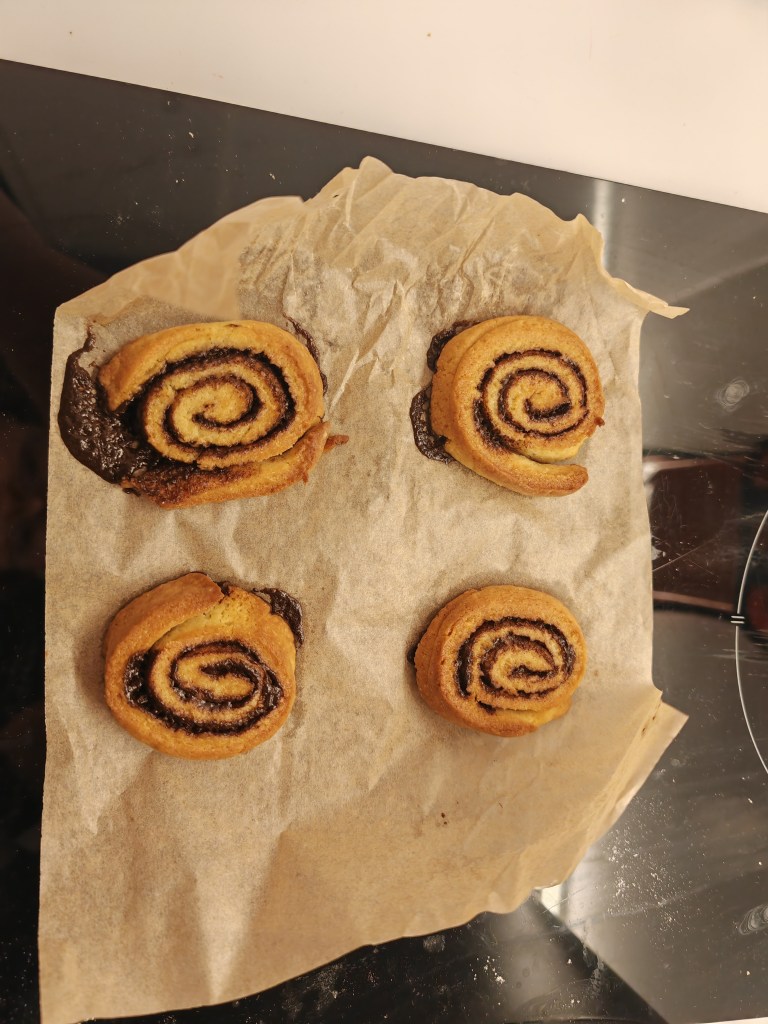
Bake on 190C for 10-12 minutes or until edges of cookies are just beginning to turn a light golden brown. They can also be air fried, but it will take longer and the temperature of the air fryer will need to be lower to prevent burning.
Allow cookies to cool completely on baking sheet.
If desired, drizzle cookies with glaze once cooled.
ICING
Whisk together icing sugar, milk, and vanilla extract. Start with just 4 teaspoons of milk and add just a small splash more as needed until proper consistency is reached. It should be a similar consistency to glace icing.
Drizzle this over the cookies with whatever was used to whisk them, or a spoon if you are being fancy.
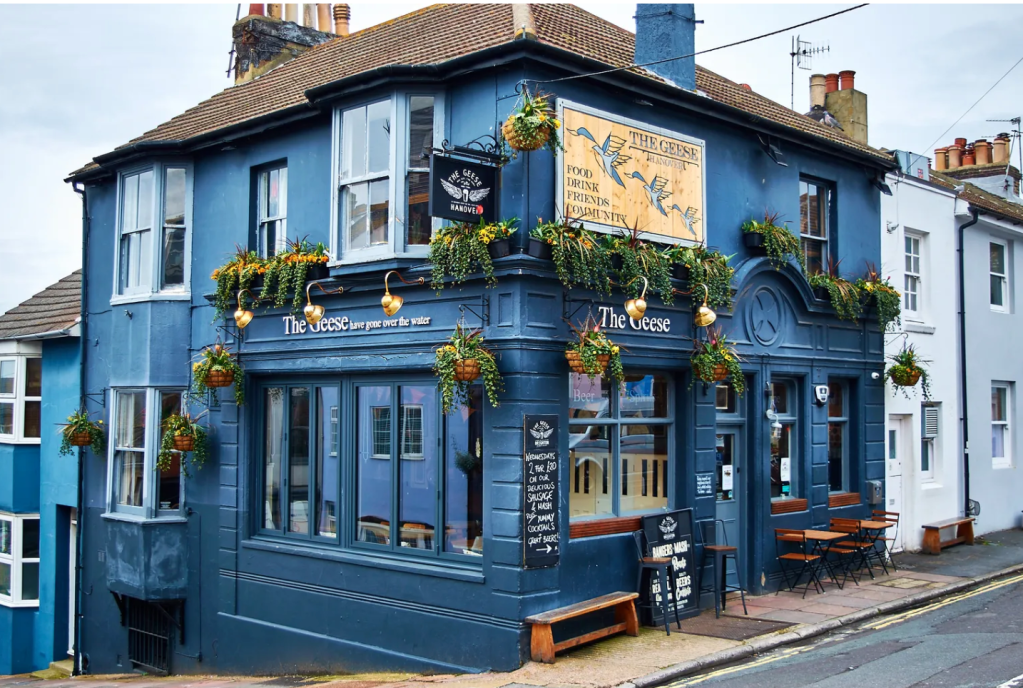
In terms of atmosphere and food, The Geese has it all. You cannot exactly say that the pub is particularly tucked away, with it only being a five-minute walk away from the level. It is also not a hidden gem – it regularly features on lists of the best Sunday roast in Brighton and always seems busy. I have to say, it certainly is one of the best that I have had in a while, and I make a mean roast myself.
The meat-based roasts were gorgeous, but they do plenty of vegetarian and vegan friendly options. A family friend got the vegan sausages and said that they were lovely. The roast garlic and thyme chicken were plentiful and had a beautiful flavour. You really could taste the herbs used. And the portion size! I mean, I functionally had almost half a chicken to myself. It is a permanent fixture on the menu, and I highly recommend it if you love chicken. Or even do not, it was that good. I eat a lot of chicken, and trust me, it is worth getting. The lamb is not a permanent fixture on the menu, but I would also recommend getting it if it is on the menu. It was a perfect balance of plenty of meat, and fat. It was beautifully tender, and I am sure even my grandad would have been happy with it which is saying something.
Now, onto the accoutrements. The cauliflower cheese was probably the best one that I have had in a restaurant. It was perfectly cheesy and was gluten free as well so that’s always a plus. They clearly used a good strong cheddar, which just elevated it perfectly. And I am from Somerset, so I know my cheese. My only wish is that it also included broccoli – although there is a separate broccoli cheese on the menu. The carrots were cooked nicely but they were a little bit plain in my opinion. The cabbage was hidden under the meat (or alternatives), but it was nice. Admittedly, I am not the biggest fan of cooked red cabbage, so I wasn’t particularly impressed with that part of the dinner. However, my mother and our family friend did enjoy it, so you’ll have to take their word for it. The roast potatoes were wonderfully crispy and are also probably one of the best roasties I have had. Once again, this is saying something because I really love roasties. The Yorkshire puddings were pretty good, and they did come with the vegan sausages so that’s always a plus. I will say, the bottoms were a little bit stodgy, and I have had better. They were probably the weakest point of the roast, and that is saying something.
Overall, it was a brilliant roast, even if we did not make it to desert. I would highly recommend the short walk to The Geese on a Sunday, just for the roasties on their own. But remember to book in advance – they are always popular.
16 Southover St, Brighton and Hove, Brighton BN2 9UA
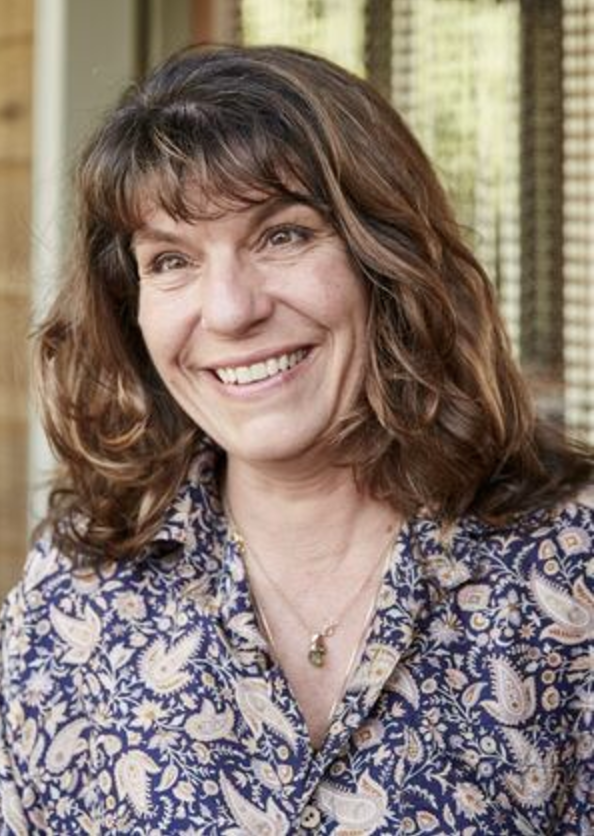
A secondary school teacher, specialising in drama with neurodiverse students, turned food psychotherapist. I trained as a therapist and in parallel began teaching cooking in the community. Early on, I realised the impact of working with food and cooking as part of the therapeutic journey and the power of food to heal. Therapy Kitchen (private practice) and Kitchen Sessions (CIC) were born.
What do you do and how do you do it?
I use a mixture of my personal and professional experience as a parent, teacher and psychotherapist who adores good food and learned its value growing up – through my working mum’s boil-in-the-bag TV dinners and my traditional grandmother’s home cooked – to create food-based, fun, delicious and empowering therapeutic events. I work with family groups, of all ages, in particular people on the margins and those who are financially disenfranchised who wouldn’t usually access therapy. The cooking workshops usually take place outside and a meal is made using seasonal and local goods eaten around a campfire. While chopping, prepping and cooking the food, we explore issues such as life changes (menopause) health (such as diabetes) and mental health (anxiety, addiction, depression) or social issues (loneliness, isolation, low income). As people are involved in relatively mundane tasks, their eyes on the chopping board or stirring spoon, they can relax and allow their feelings to be shared in the safety and warmth of the kitchen space.
As people engage with this basic creative activity, their sense of inclusion and capability encourages a refreshing sense of calm. From here people have the opportunity to naturally explore their unique human experience with each other. There is also the opportunity to learn about how ingredients work together that has a reflection on how we work with one another, each adding our particular flavour to the whole event and going away with a sense of belonging.
Why do you do it?
My upbringing and experience of life have shown me the importance and power of cooking good food that can be shared. Food unites people and I believe this approach is one we need as a global community – to come home to who we are as a species. In a world hurtling along on machine time, with AI type technologies dominating a materialistic, consumerist culture, we need a return to what makes us human. Food is our first taste of love, cooking is our first conversation. By returning to this primary human experience, we may well be able to answer the pressing issues of the day.
What’s your mission?
To change the world, one meal at a time. If we reorientate our attention to how we eat, understanding the value of love in our cooking, we can create a paradigm shift from profit to people.
What difference do you hope to make?
Enabling people to take responsibility for their welfare, fostering networks of useful exchange within our community that strengthen social bonds. By empowering people’s sense of creative confidence we can make healthier life choices, for long term welfare.
Tell me about the families you work with the difference you have made to their lives?
I have been working with families from Whitehawk Primary School (as it was then) and now Chomp for the last 15 years. These are low income families, who might also be struggling with culinary knowledge, mental and physical health issues. By using cooking as a therapeutic medium, I can offer a wide range of practical interventions that meet people where they are. The idea is to offer preventative social medicine. By that I mean that social networks of support are created in workshops that centre around the campfire inside or outside. While people are doing something practical with food, they will naturally share information and conversation with one another. This gives people a sense of connection and confidence that they can take into life. I’ve seen these sessions inspire cooking clubs in people’s homes so that each workshop continues to work its magic long after the event. Meals create memories and provide the ongoing ‘attachment nutrition’ we need. Food and love make a whole meal.
If you could achieve anything in the next 5 years what would it be?
To create ‘kitchen sessions’ all over the country that have a life of their own, addressing and responding to the needs of that community, all linked in the overall aim of using food-making as our primary medicine.
What is a changemaker and are you one?
A changemaker is someone or something who is able to use the ingredients around them creatively to make a difference, to find an applicable solution to current dilemmas, responding to the specific needs of the moment with imagination, compassion and future based thinking. Yes, I do see myself as a changemaker. By cooking a meal that adapts to the specific needs of the moment, I am making change and helping others to do so, one meal at a time. Currently, our attention is being hijacked into the external, commercial world – through Kitchen Sessions, I want to empower people to find their ability to change, and unleash the potential for healing and nourishment within the individual and the community at large.
Describe the world you want to create through food therapy.
I’d like to create a world where people understand the value of their personal potential, the essential magic of community and cooperation that is at the heart of being human. Here we can shift our focus from profit first to people first. We’ve lost ourselves in consumption. The world I’d like to help create is one where we shift from external, extrinsic and mechanised concerns, to internal, intrinsic and natural, human needs.





 The Whistler